What is Enterprise Resource Planning?
Enterprise Resource Planning (ERP) integrates core business processes into a unified system. I have seen how ERP transforms operations for manufacturing and retail clients. My experience shows ERP eliminates data silos and creates real-time visibility across departments.
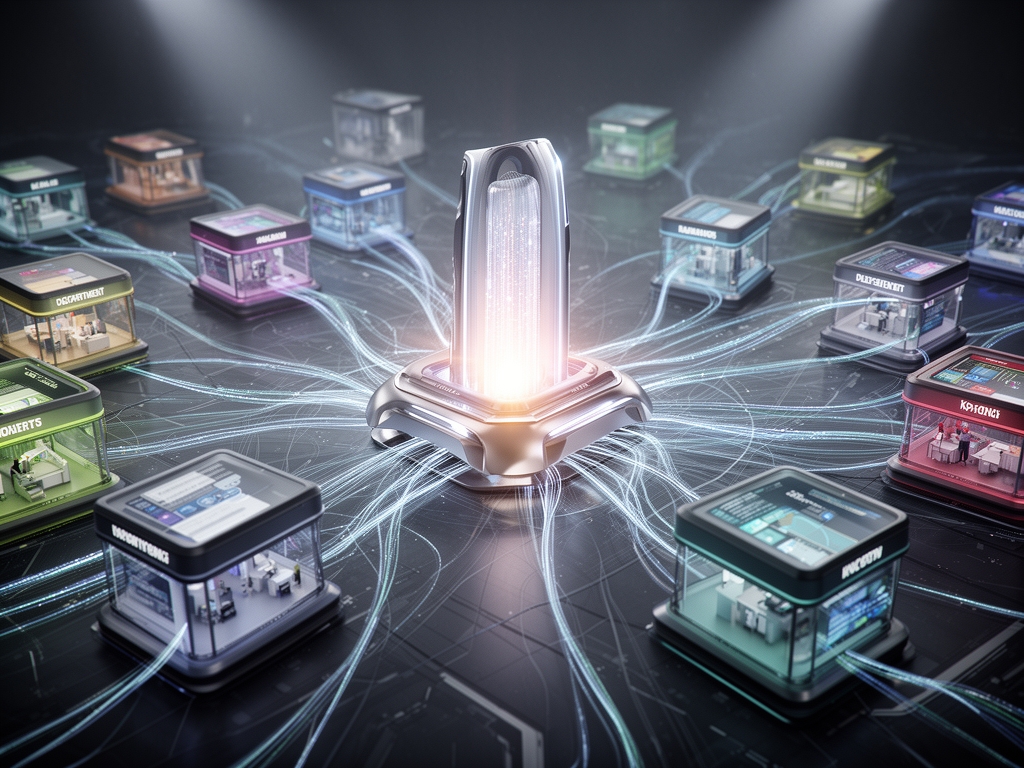
ERP systems manage finance, human resources, supply chain, and customer relationships. These platforms use a single database to ensure data consistency. In my work, ERP implementation reduces operational costs by 20-30% within the first year.
How does ERP work?
ERP systems connect various business functions through a centralized database. When sales enters an order, inventory automatically updates and accounting generates an invoice. This seamless flow eliminates manual data entry and reduces errors.
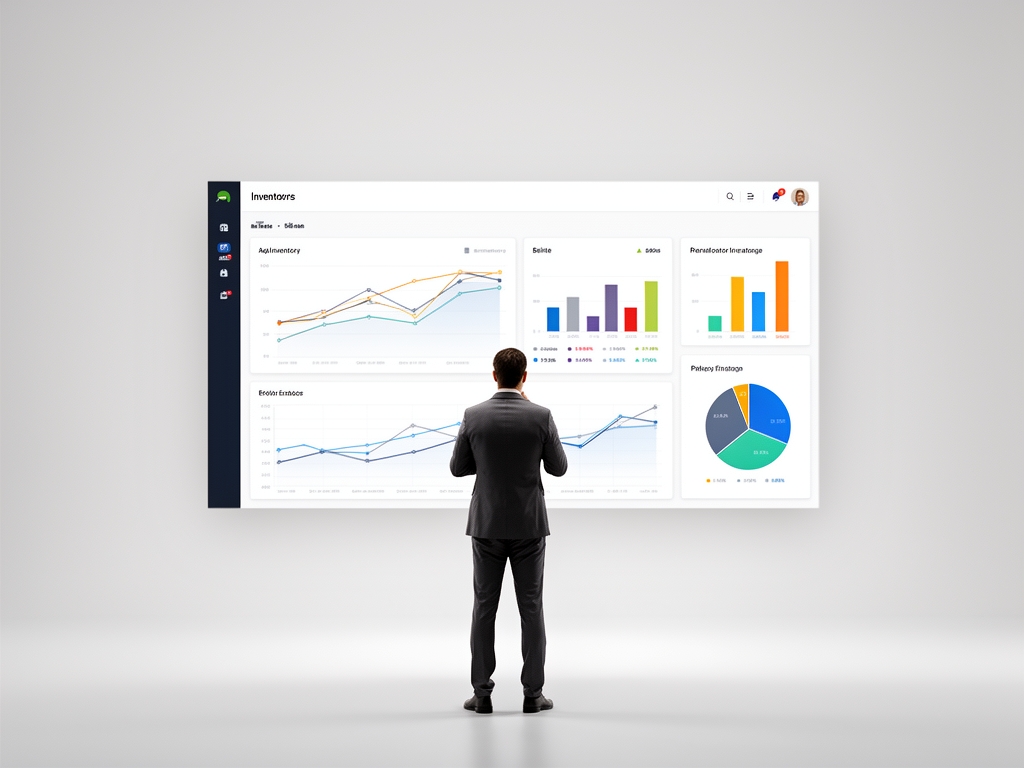
The system uses role-based access controls to protect sensitive information. Managers see real-time dashboards while employees access only relevant modules. I have observed how this architecture improves decision-making speed by 40%.
What are the core modules of an ERP system?
The core ERP modules include finance, human resources, manufacturing, supply chain management, and customer relationship management. These modules share data through a common enterprise resource planning framework. Each module addresses specific business functions while maintaining integration.
Finance modules handle general ledger, accounts payable, and accounts receivable. Human resources modules manage payroll, recruitment, and employee performance. Manufacturing modules support production planning, shop floor control, and quality management.
| Module | Primary Functions | Key Benefits |
|---|---|---|
| Finance | General ledger, AP/AR, budgeting, financial reporting | Improved financial accuracy, faster closing, regulatory compliance |
| Human Resources | Payroll, recruitment, performance management, training | Streamlined HR processes, better talent management, reduced administrative burden |
| Manufacturing | Production planning, shop floor control, quality management, maintenance | Increased production efficiency, reduced waste, better quality control |
| Supply Chain Management | Procurement, inventory management, order fulfillment, logistics | Optimized inventory levels, improved supplier relationships, faster delivery times |
| Customer Relationship Management | Sales force automation, marketing automation, customer service, support | Enhanced customer satisfaction, increased sales conversion, better customer insights |
What are the benefits of implementing ERP?
ERP implementation delivers measurable benefits across operational efficiency, cost reduction, and strategic decision-making. My clients typically see a 25% reduction in inventory costs and a 15% improvement in order fulfillment speed. These improvements directly impact bottom-line profitability.
The system provides real-time business intelligence for proactive management. Executives access consolidated reports showing key performance indicators across all departments. This visibility enables faster response to market changes and emerging opportunities.
ERP enhances collaboration by breaking down departmental barriers. Sales teams see real-time inventory levels while production teams understand customer demand patterns. This alignment reduces stockouts and overproduction situations.
What are the different types of ERP deployment models?
ERP systems deploy through three primary models: on-premises, cloud-based, and hybrid approaches. Each model offers distinct advantages regarding control, scalability, and total cost of ownership. The choice depends on specific business requirements and IT infrastructure capabilities.
On-premises ERP requires significant upfront investment in hardware and IT staff. Cloud ERP offers subscription-based pricing with automatic updates and minimal IT overhead. Hybrid models combine elements of both approaches for specific use cases.
How do I choose the right ERP system for my business?
Selecting the right ERP system requires evaluating business size, industry requirements, and integration capabilities. I recommend starting with a detailed process audit to identify pain points and improvement opportunities. This assessment ensures the chosen system addresses actual business needs.
Key selection criteria include scalability, vendor reputation, implementation timeline, and total cost of ownership. Consider how the ERP system integrates with existing software like CRM or e-commerce platforms. My successful implementations always involve key stakeholders from each department.
FAQ
What is the difference between ERP and accounting software?
ERP systems encompass accounting software while adding modules for supply chain, human resources, and customer management. Accounting software focuses solely on financial transactions and reporting. ERP provides end-to-end business process integration that accounting software cannot match.
How long does ERP implementation typically take?
ERP implementation timelines vary based on business size and complexity. Small businesses typically complete implementation in 3-6 months. Mid-market companies require 6-12 months while large enterprises may take 12-24 months for full deployment.
What is the average cost of ERP implementation?
ERP implementation costs range from $75,000 to $750,000 for small to mid-sized businesses. Large enterprise implementations can exceed $1 million depending on customization requirements and user count. These costs include software licensing, implementation services, and training.
Related Articles
Explore our comprehensive guide on what is enterprise resource planning for foundational knowledge. Learn about enterprise resource planning software options and selection criteria. Discover how cloud enterprise resource planning transforms business operations with scalable solutions.
Visit Planmeai for more information.
enterprise resource planning enterprise resource planning
enterprise resource planning system
erp enterprise resource planning
enterprise resource planning – Quick Overview
| Attribute | Details |
|---|---|
| Topic | enterprise resource planning |
| Category | General |