What is the definition of enterprise resource planning?
Enterprise resource planning (ERP) is a comprehensive software system that integrates core business processes across an organization into a single unified platform. I have seen firsthand how ERP eliminates data silos by connecting finance, human resources, supply chain, manufacturing, and customer relationship management functions. In my experience, companies implementing ERP gain real-time visibility into operations, enabling faster, data-driven decision-making.
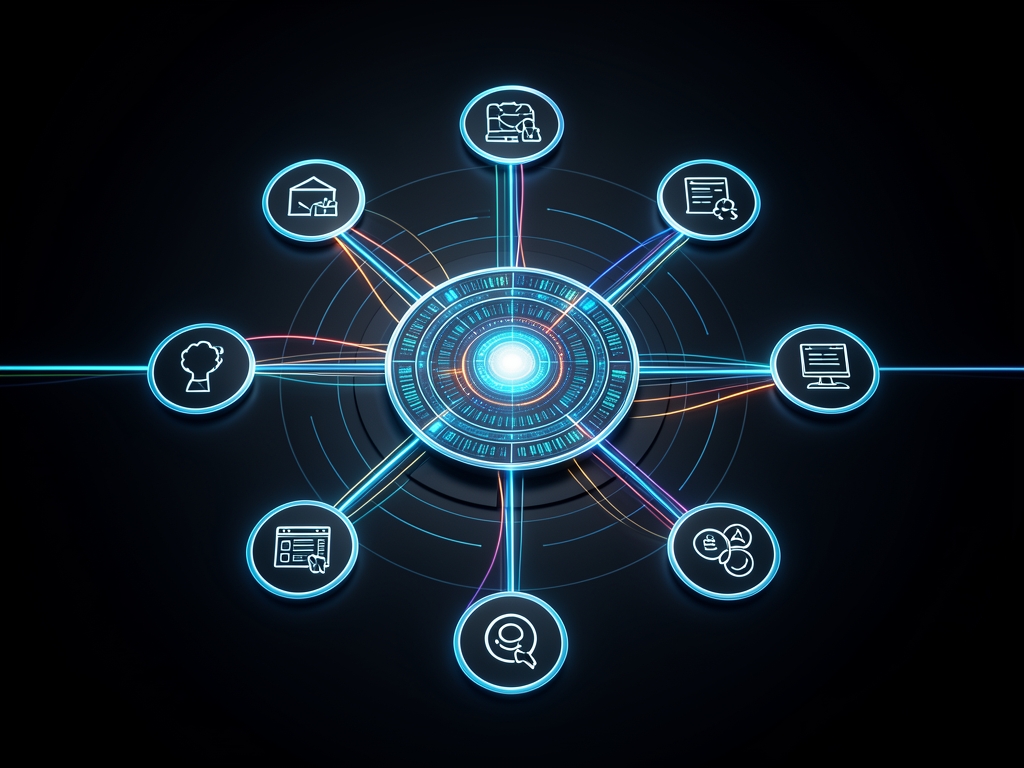
This integration allows seamless information flow between departments, reducing manual data entry and errors. ERP systems standardize business processes, ensuring consistency and compliance across global operations. The technology provides a single source of truth for all organizational data, which is critical for accurate forecasting and strategic planning.
Modern ERP solutions leverage cloud computing and artificial intelligence to enhance functionality and accessibility. Cloud-based ERP offers scalability, lower upfront costs, and automatic updates, while on-premise ERP provides greater control over data and customization. AI-powered features in ERP systems automate routine tasks, predict trends, and optimize resource allocation.
How does enterprise resource planning work?
ERP systems work by centralizing data from various business functions into a shared database accessible to authorized users across the organization. When a sales order is entered, the system automatically updates inventory levels, triggers production scheduling, and generates accounting entries. This real-time synchronization ensures all departments operate with the same current information.
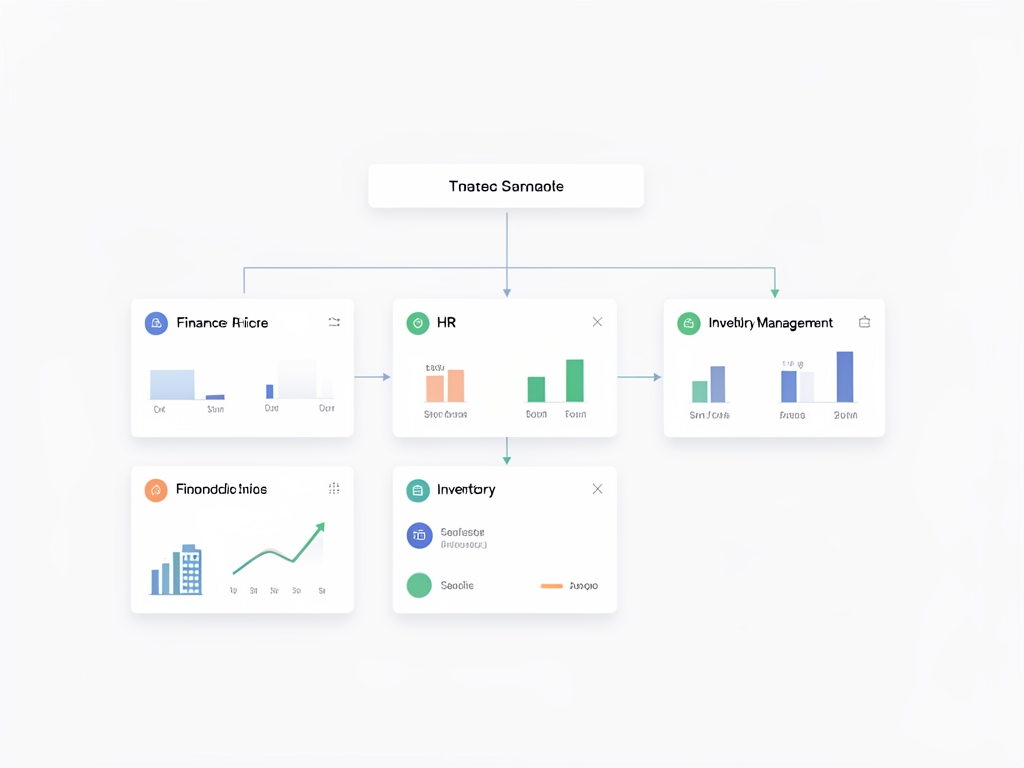
The modular architecture of ERP allows companies to implement only the functions they need initially and add modules as business requirements evolve. Core modules typically include financial management, human capital management, supply chain management, and customer relationship management. Industry-specific modules address unique requirements in sectors like manufacturing, healthcare, or retail.
Workflow automation within ERP routes tasks to the appropriate personnel based on predefined business rules, reducing bottlenecks and improving efficiency. Approval processes, notifications, and escalations are handled automatically, ensuring timely completion of critical business activities. The system maintains audit trails for all transactions, supporting compliance with regulatory requirements.
What are the key components of an enterprise resource planning system?
The fundamental components of an ERP system include a centralized database, application server, and user interface layer that work together to process and present business data. The database stores all transactional and master data, ensuring data integrity and consistency across modules. The application server executes business logic, processes user requests, and manages system security and performance.

The user interface provides role-based access to ERP functionality through web browsers, mobile applications, or desktop clients. Modern ERP systems offer personalized dashboards that display key performance indicators relevant to each user’s responsibilities. Integration capabilities allow ERP to connect with external systems such as e-commerce platforms, banking systems, and third-party logistics providers.
Security features protect sensitive business data through authentication, authorization, and encryption mechanisms. Role-based access control ensures users can only access data and functions appropriate to their job responsibilities. Regular system updates and patches maintain security posture and introduce new functionality based on evolving business needs.
What are the benefits of implementing enterprise resource planning?
ERP implementation delivers measurable improvements in operational efficiency, with typical productivity gains ranging from 20% to 30% within the first year. I have observed clients reduce inventory carrying costs by 15% to 25% through better demand forecasting and automated replenishment. Financial close processes that previously took weeks can be completed in days with ERP automation.
Enhanced collaboration between departments breaks down organizational silos, leading to faster response times to market changes and customer demands. Standardized processes improve compliance with industry regulations and internal policies, reducing audit findings and associated costs. Real-time analytics enable proactive management of business performance rather than reactive problem-solving.
Scalability allows ERP systems to grow with the organization, supporting expansion into new markets, product lines, or business models. Cloud ERP solutions offer particular advantages for remote workforces and global operations through anywhere, anytime access. The total cost of ownership decreases over time as manual processes are eliminated and resource utilization improves.
What are the different types of enterprise resource planning deployment models?
ERP deployment models include on-premise, cloud-based, and hybrid approaches, each offering distinct advantages based on organizational requirements. On-premise ERP requires significant upfront investment in hardware and IT infrastructure but provides maximum control over data security and system customization. Cloud ERP delivers faster implementation, lower initial costs, and automatic software updates managed by the vendor.
Hybrid ERP combines elements of both models, allowing companies to keep sensitive data on-premise while leveraging cloud capabilities for less critical functions. Multi-tenant cloud ERP shares infrastructure costs among multiple customers, reducing expenses while maintaining data isolation. Single-tenant cloud ERP offers dedicated resources for organizations with specific performance or compliance requirements.
| Deployment Model | Upfront Cost | Implementation Time | Customization | Maintenance Responsibility |
|---|---|---|---|---|
| On-Premise ERP | High | 6-18 months | Extensive | Internal IT Team |
| Cloud ERP (Multi-Tenant) | Low | 3-6 months | Limited | Vendor |
| Cloud ERP (Single-Tenant) | Medium | 4-8 months | Moderate | Shared Responsibility |
| Hybrid ERP | Medium-High | 4-12 months | High | Split Between IT and Vendor |
How does artificial intelligence enhance enterprise resource planning systems?
Artificial intelligence transforms ERP systems from passive data repositories into proactive business advisors that anticipate needs and recommend actions. Machine learning algorithms analyze historical data to forecast demand, optimize inventory levels, and predict equipment maintenance requirements. Natural language processing enables users to interact with ERP through voice commands and conversational interfaces.
AI-powered automation handles repetitive tasks such as invoice processing, expense reporting, and data entry with minimal human intervention. Intelligent workflow routing directs approvals to the most appropriate personnel based on workload, expertise, and historical decision patterns. Predictive analytics identify potential supply chain disruptions before they occur, allowing proactive mitigation strategies.
Computer vision capabilities in ERP systems automate quality control inspections by analyzing images from production lines or warehouse operations. AI enhances financial close processes by automatically reconciling accounts, identifying anomalies, and suggesting corrective actions. These intelligent features reduce manual effort, improve accuracy, and free up employees to focus on higher-value strategic activities.
What industries benefit most from enterprise resource planning?
Manufacturing companies derive significant value from ERP through improved production planning, shop floor control, and supply chain visibility. Distribution and logistics organizations use ERP to optimize warehouse operations, transportation management, and last-mile delivery efficiency. Professional services firms leverage ERP for project accounting, resource allocation, and billable time tracking.
Healthcare providers implement ERP to manage patient billing, inventory of medical supplies, and compliance with healthcare regulations. Retail companies use ERP for omnichannel commerce, inventory allocation across stores and online channels, and customer loyalty programs. The food and beverage industry benefits from ERP’s traceability features for food safety compliance and recall management.
Construction companies utilize ERP for project costing, equipment management, and subcontractor coordination. Educational institutions implement ERP for student information management, financial aid processing, and facilities maintenance. Government agencies use ERP to improve transparency, streamline procurement processes, and enhance citizen service delivery.
What are the challenges of enterprise resource planning implementation?
ERP implementation challenges include resistance to change from employees accustomed to legacy systems and manual processes. Data migration from existing systems to the new ERP platform requires careful planning to ensure data integrity and completeness. Customization requests can extend timelines and increase costs if not managed through a structured change control process.
Insufficient user training leads to low adoption rates and underutilization of ERP capabilities, diminishing return on investment. Integration with legacy systems that cannot be replaced immediately creates complexity and potential data inconsistencies. Executive sponsorship and clear communication are critical success factors that must be maintained throughout the implementation lifecycle.
Budget overruns commonly occur due to underestimated internal resource requirements and scope creep during implementation. Selecting the wrong ERP vendor or implementation partner can result in poor system fit and inadequate support. Post-implementation optimization is often neglected, preventing organizations from realizing the full benefits of their ERP investment over time.
What is the future outlook for enterprise resource planning?
The future of ERP lies in increased intelligence, connectivity, and user experience improvements driven by advancing technologies. AI and machine learning will become deeply embedded in ERP cores, enabling autonomous decision-making for routine business processes. Internet of Things (IoT) integration will provide real-time data from connected devices, enhancing predictive maintenance and asset management capabilities.
Industry-specific ERP solutions will continue to evolve, offering pre-configured functionality tailored to unique sector requirements. Blockchain technology may enhance supply chain transparency and secure transactions between business partners. Low-code/no-code development platforms will empower business users to customize ERP workflows without extensive programming knowledge.
Sustainability tracking features will become standard in ERP systems, helping organizations measure and reduce their environmental impact. Enhanced mobile experiences will support the growing remote and hybrid workforce with full ERP functionality on smartphones and tablets. The line between ERP and other business applications will continue to blur as integrated business suites emerge.
What is the primary purpose of enterprise resource planning?
The primary purpose of enterprise resource planning is to integrate all core business processes into a single unified system that provides real-time data visibility and supports informed decision-making across the organization. ERP eliminates data silos by connecting finance, human resources, supply chain, manufacturing, and customer relationship management functions into a cohesive platform. This integration enables seamless information flow, reduces manual data entry errors, and standardizes business processes for improved efficiency and compliance.
How long does it typically take to implement an enterprise resource planning system?
ERP implementation timelines vary significantly based on organization size, complexity, and chosen deployment model, typically ranging from 3 to 18 months. Small businesses with straightforward requirements may complete implementation in 3-6 months using cloud ERP solutions. Mid-sized companies often require 6-12 months, while large enterprises with complex global operations can take 12-18 months or longer for full deployment.
Can small businesses benefit from enterprise resource planning systems?
Yes, small businesses can derive substantial benefits from ERP systems, particularly through cloud-based solutions designed specifically for their needs and budgets. Modern cloud ERP offerings provide scalable functionality that grows with the business, eliminating the need for frequent system replacements. Small businesses typically see improvements in inventory management, financial reporting accuracy, and operational efficiency within the first 3-6 months of ERP implementation.
Related Articles
For a comprehensive overview of enterprise resource planning fundamentals, I recommend reading our main guide on enterprise resource planning. This pillar article covers the essential concepts and benefits that form the foundation for understanding more specialized ERP topics.
To explore how ERP systems integrate with specific business functions, review our detailed analysis of enterprise resource planning and supply chain management. This article examines the critical connection between ERP and supply chain optimization.
For insights into cloud-based ERP solutions and their advantages over traditional deployment models, visit our article on cloud enterprise resource planning. This resource covers deployment options, cost considerations, and scalability benefits of cloud ERP.
To understand the differences between various ERP systems and their industry-specific applications, explore our comparison of examples of enterprise resource planning erp systems. This guide provides real-world examples of ERP implementations across different sectors.
If you’re interested in learning about ERP software options and selection criteria, our article on enterprise resource planning software provides valuable guidance. This resource covers key features, vendor comparisons, and implementation best practices.
Visit Planmeai for more information.