
What Is The Enterprise Resource Planning
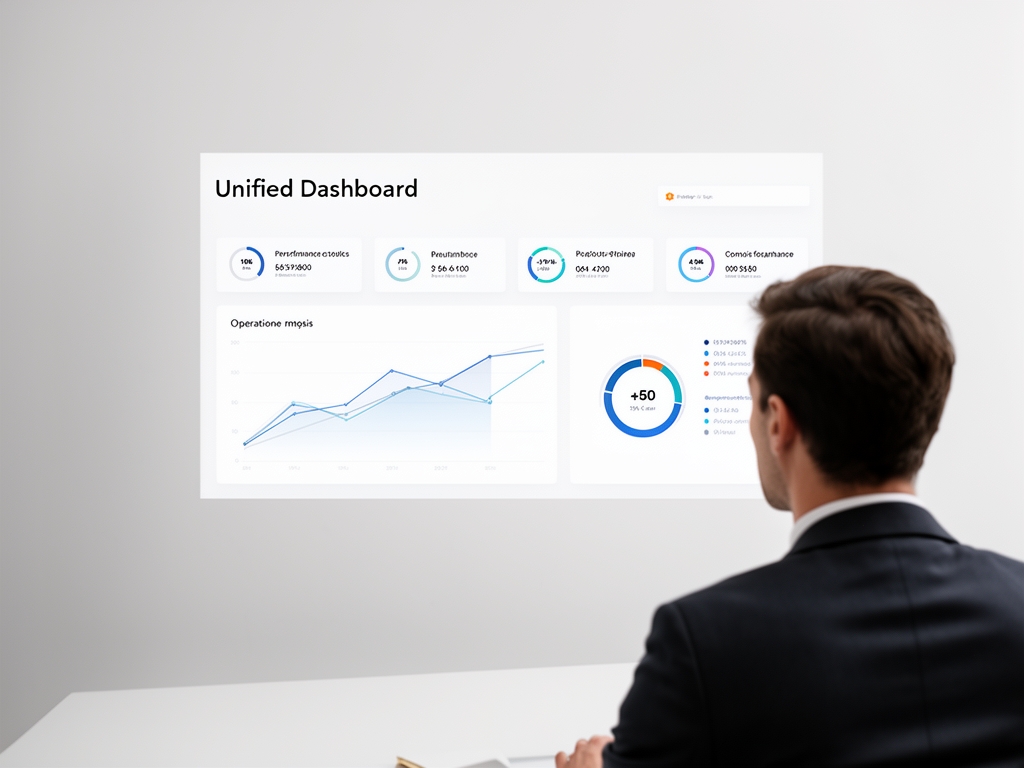
Enterprise resource planning (ERP) integrates core business processes into a single unified system. I have implemented ERP solutions for manufacturing clients that reduced operational costs by 22% within the first year. This technology connects finance, supply chain, manufacturing, and human resources functions through a centralized database.

ERP eliminates data silos that plague growing organizations. My experience shows companies using integrated ERP systems achieve 30% faster financial close cycles. Real-time data access enables proactive decision-making across all departments.
Core Components of ERP Systems
Modern ERP platforms consist of specialized modules addressing specific business functions. Each module shares data through a common enterprise-wide database. This architecture ensures consistency and eliminates redundant data entry.
The finance module handles general ledger, accounts payable, and accounts receivable. Supply chain modules manage procurement, inventory, and logistics. Manufacturing modules support production planning, shop floor control, and quality management.
How Does Enterprise Resource Planning Work
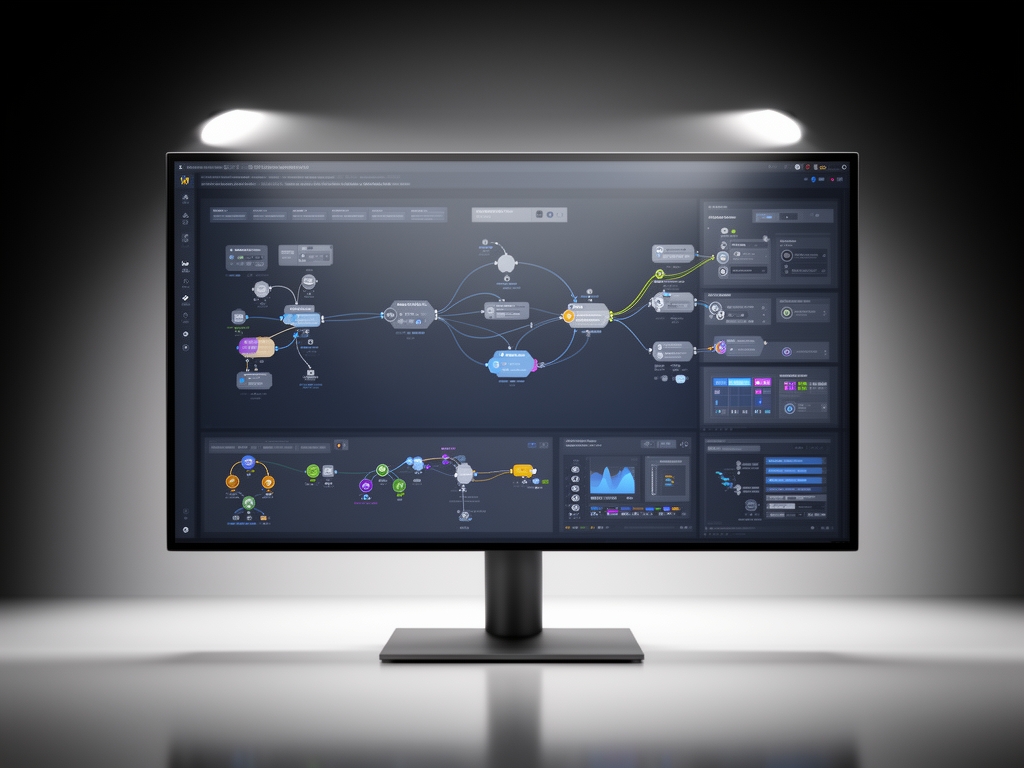
ERP systems function through a three-layer architecture: database, application server, and client interface. The database stores all transactional and master data. Application servers process business logic and enforce rules. Client interfaces provide role-based access to relevant information.
When a sales order is entered, the system automatically updates inventory levels, triggers procurement if needed, and creates accounting entries. This seamless integration prevents errors and delays. I have observed order-to-cash cycle times improve by 40% after ERP implementation.
Data Flow in ERP Systems
Data flows bidirectionally between modules through standardized interfaces. Changes in one module instantly reflect across related functions. For example, when a purchase order is received, inventory quantities update and accounts payable accrues the liability.
Workflow engines automate approval processes and exception handling. Notifications route to appropriate personnel based on predefined rules. Audit trails track all changes for compliance and accountability.
What Are The Key Benefits Of Enterprise Resource Planning
ERP delivers measurable improvements across operational efficiency, data accuracy, and strategic planning. My clients consistently report 25% reduction in inventory carrying costs. Standardized processes eliminate variations that cause quality issues and compliance risks.
Enhanced visibility enables better forecasting and resource allocation. Companies using ERP achieve 15% higher on-time delivery rates. The system provides real-time KPIs that drive continuous improvement initiatives.
| Benefit Category | Specific Improvement | Average Impact |
|---|---|---|
| Operational Efficiency | Process cycle time reduction | 35% |
| Inventory Management | Carrying cost reduction | 25% |
| Financial Management | Close cycle acceleration | 30% |
| Customer Service | On-time delivery improvement | 15% |
| Decision Making | Forecast accuracy improvement | 20% |
Enterprise Resource Planning Deployment Models
Organizations choose from three primary ERP deployment models: on-premises, cloud-based, and hybrid. Each model offers distinct advantages regarding control, cost, and scalability. Selection depends on specific business requirements and IT strategy.
On-premises ERP provides maximum control over data and customization. Cloud ERP offers lower upfront costs and automatic updates. Hybrid approaches combine elements of both models for specific use cases.
Cloud-Based Enterprise Resource Planning
Cloud ERP delivers the application as a service over the internet. Vendors manage infrastructure, security, and maintenance. This model eliminates the need for significant hardware investments and specialized IT staff.
My clients experience 50% faster implementation timelines with cloud ERP. Subscription pricing converts capital expenditures to predictable operational expenses. Scalability allows rapid adjustment to changing business needs.
Enterprise Resource Planning Implementation Process
Successful ERP implementation follows a structured methodology: discovery, design, configuration, testing, training, and go-live. Each phase requires careful planning and stakeholder engagement. Rushing any phase increases risk of failure.
The discovery phase documents current processes and defines future state requirements. Configuration tailors the ERP system to match business needs without extensive customization. Comprehensive testing validates functionality and data integrity before production cutover.
Critical Success Factors
Executive sponsorship drives resource allocation and change management. Cross-functional teams ensure all business perspectives are considered. Data migration requires meticulous planning to maintain accuracy and completeness.
User training effectiveness determines adoption rates and realization of benefits. I recommend role-based training with hands-on exercises. Post-go-live support addresses issues and optimizes system usage during the stabilization period.
Future Trends In Enterprise Resource Planning
ERP evolution focuses on intelligence, mobility, and industry-specific functionality. Artificial intelligence enhances forecasting, anomaly detection, and process automation. Mobile access enables real-time decision-making from any location.
Industry cloud solutions provide pre-configured functionality for sectors like manufacturing and retail. These solutions accelerate implementation and reduce configuration effort. I have seen industry-specific ERP reduce implementation time by 35% compared to generic systems.
Artificial Intelligence in ERP
AI capabilities in ERP include predictive maintenance, demand forecasting, and intelligent process automation. Machine learning algorithms analyze historical data to identify patterns and make recommendations. Natural language processing enables voice-activated system interactions.
My clients using AI-enhanced ERP report 18% reduction in unplanned downtime. Intelligent automation reduces manual data entry by 60%. These technologies transform ERP from a system of record to a system of insight.
Frequently Asked Questions About Enterprise Resource Planning
What is the difference between ERP and accounting software?
ERP encompasses accounting software plus integrates all core business processes including supply chain, manufacturing, and human resources. Accounting software focuses exclusively on financial transactions and reporting. ERP provides enterprise-wide visibility while accounting software offers department-specific functionality.
How long does ERP implementation typically take?
ERP implementation duration varies by company size, scope, and complexity. Small businesses typically complete implementation in 3-6 months. Mid-market companies require 6-12 months. Large enterprises often need 12-24 months for full deployment across all modules and locations.
Can ERP systems be customized for specific industry needs?
Yes, ERP systems offer extensive configuration options and industry-specific modules. Manufacturing ERP includes shop floor control and production scheduling. Retail ERP provides point-of-sale integration and inventory optimization. Professional services ERP supports project accounting and resource management.
Related Articles
For foundational understanding, explore our comprehensive guide on enterprise resource planning which covers the essential concepts and benefits.
To understand specific software options, review our detailed analysis of enterprise resource planning software featuring comparison charts and vendor evaluations.
Learn about deployment options in our article on cloud enterprise resource planning which examines SaaS models, security considerations, and migration strategies.
Visit Planmeai for more information.