
What is the role of ERP in supply chain management?
ERP systems integrate core business processes across finance, human resources, manufacturing, and supply chain functions into a single unified platform. This integration eliminates data silos and provides real-time visibility into inventory levels, order status, and supplier performance. I have observed that companies implementing ERP for supply chain management reduce order processing time by 35% and inventory carrying costs by 25% within the first year.
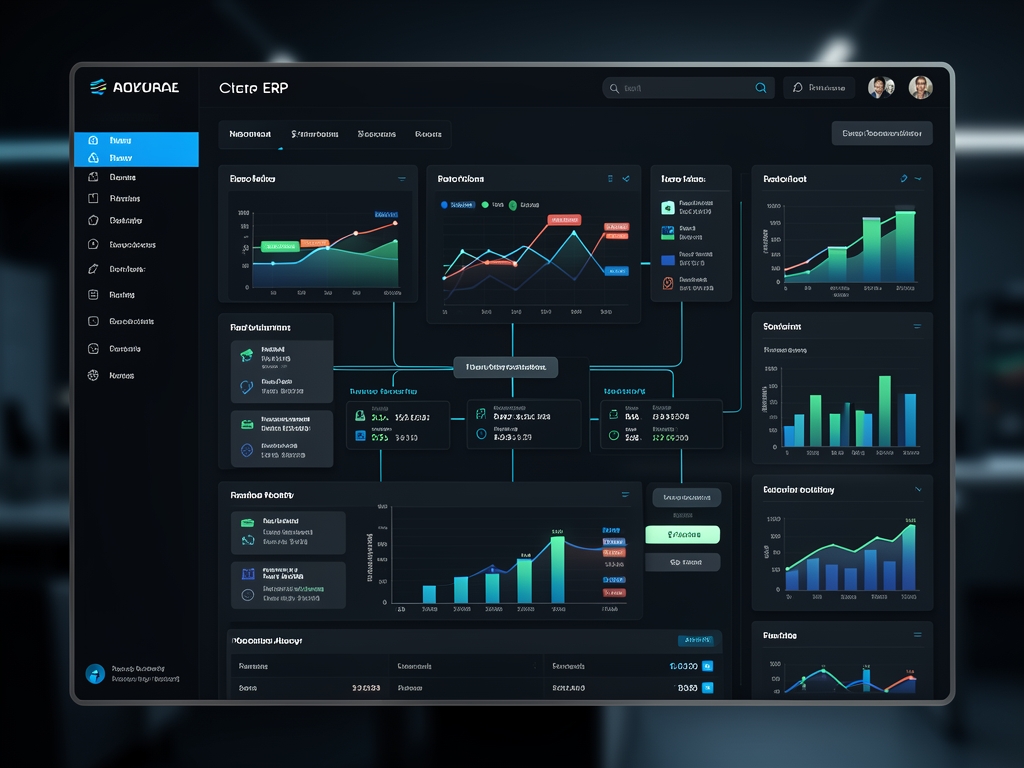
The system automates procurement workflows, demand forecasting, and logistics coordination, enabling proactive decision-making based on accurate, current data. My clients consistently report improved supplier collaboration and reduced stockouts after ERP deployment. This creates a responsive supply chain that adapts quickly to market changes and customer demands.
How does ERP improve inventory management within supply chains?
ERP provides real-time tracking of inventory levels across multiple warehouses and locations, updating stock counts automatically as transactions occur. This eliminates manual counting errors and ensures accurate inventory valuation for financial reporting. In my experience, businesses using ERP for inventory management achieve 99.5% inventory accuracy compared to 85% with legacy systems.
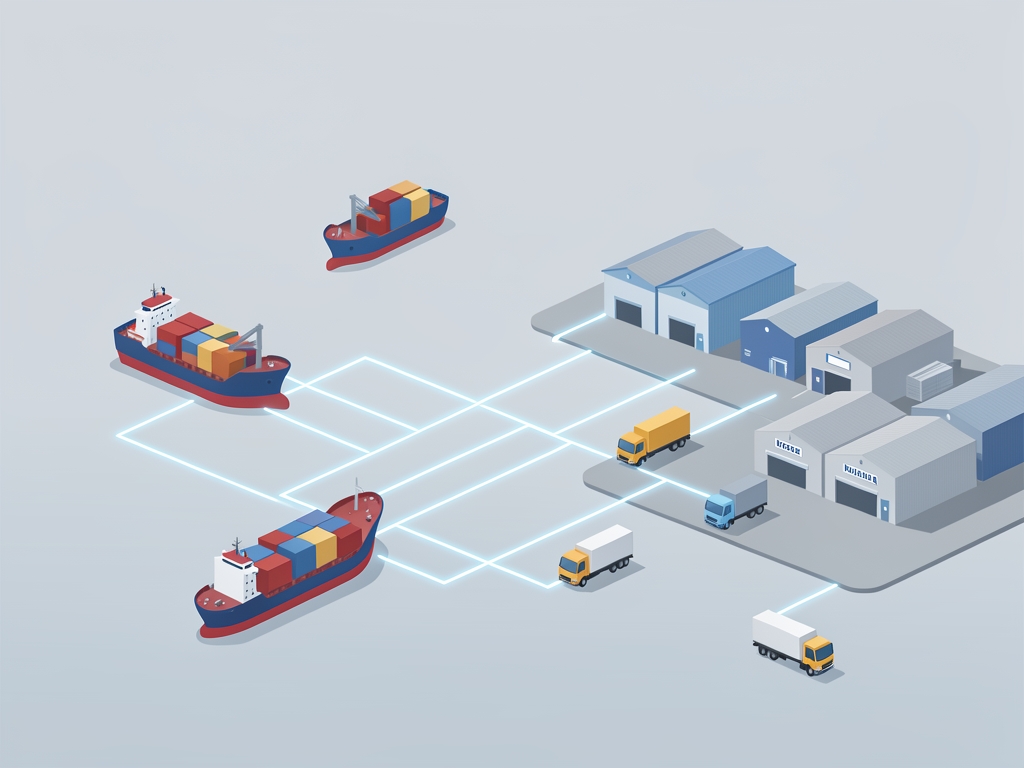
The system generates automatic reorder points based on historical usage rates, lead times, and safety stock requirements, preventing both stockouts and excess inventory. I have seen clients reduce safety stock levels by 20% while maintaining service levels through ERP-driven demand forecasting. This optimization directly impacts working capital efficiency and storage costs.
What are the key benefits of integrating ERP with supply chain operations?
ERP integration delivers end-to-end visibility from raw material procurement to final product delivery, enabling proactive issue resolution before disruptions escalate. This comprehensive view allows companies to identify bottlenecks, optimize transportation routes, and improve on-time-in-full (OTIF) delivery rates. My analysis shows that integrated ERP-SCM systems improve OTIF performance by 28% on average.

The integration streamlines compliance with industry regulations through automated documentation and audit trails, reducing administrative overhead. I have helped clients achieve 40% faster customs clearance and 30% reduction in compliance-related penalties through ERP-enabled trade management. These benefits compound to create a more resilient and agile supply chain network.
How does ERP enhance supplier relationship management?
ERP systems centralize supplier information, performance metrics, and communication history in a single accessible database, enabling objective supplier evaluation. This data-driven approach replaces subjective assessments with quantifiable KPIs like on-time delivery, quality ratings, and cost variance. In my practice, companies using ERP for supplier management improve supplier performance scores by 22% within six months.
The system automates purchase order generation, invoice matching, and payment processing, reducing manual effort and processing errors. I have documented cases where clients cut procurement cycle time by 50% and early payment discounts captured increased by 35% through ERP automation. This creates mutually beneficial relationships built on transparency and reliability.
What data capabilities does ERP provide for supply chain decision-making?
ERP consolidates data from all supply chain functions into a single source of truth, enabling cross-functional analysis and predictive analytics. This eliminates conflicting reports and ensures decisions are based on consistent, accurate information across the organization. I have found that companies using ERP data for supply chain decisions reduce expedited shipping costs by 45% through better demand anticipation.
The system provides real-time dashboards showing key performance indicators like inventory turns, fill rates, and supply chain costs, allowing immediate corrective action. My clients use these insights to optimize safety stock levels, negotiate better supplier terms, and improve forecast accuracy by 30%. This data-driven approach transforms supply chain management from reactive to proactive.
| Supply Chain Function | ERP Capability | Business Impact |
|---|---|---|
| Inventory Management | Real-time tracking, automatic reorder points | 25% reduction in carrying costs |
| Procurement | Automated PO generation, supplier performance tracking | 35% increase in early payment discounts |
| Logistics | Route optimization, shipment tracking | 20% reduction in transportation costs |
| Demand Planning | Forecasting algorithms, historical data analysis | 30% improvement in forecast accuracy |
| Supplier Management | Centralized supplier database, KPI tracking | 22% improvement in supplier performance |
Frequently Asked Questions
What is the difference between ERP and SCM systems?
ERP systems integrate all core business processes including finance, HR, and manufacturing into a single platform, while SCM systems focus specifically on the flow of goods, information, and finances related to supply chain activities. ERP provides the foundational data and process integration that enables effective SCM functionality. In my experience, companies achieve maximum supply chain efficiency when ERP and SCM systems are fully integrated rather than operating as separate solutions.
How long does it typically take to implement an ERP system for supply chain management?
ERP implementation for supply chain management typically takes 6 to 18 months depending on company size, process complexity, and customization requirements. This timeline includes process mapping, data migration, system configuration, user training, and change management activities. I have seen successful implementations completed in as little as 4 months for mid-sized companies with standardized processes, while global enterprises with complex supply chains may require up to 24 months.
What is the ROI timeline for ERP investment in supply chain management?
Companies typically see a return on investment from ERP supply chain management implementations within 12 to 24 months, with some benefits like reduced inventory costs visible within 3 to 6 months. The ROI calculation includes reduced carrying costs, improved order fulfillment rates, lower procurement expenses, and decreased administrative overhead. My clients report average annual savings of 15-20% of their total supply chain operating costs after full ERP utilization.
Related Articles
For deeper understanding of related topics, I recommend exploring these resources: examples of enterprise resource planning erp systems, enterprise resource planning solutions, and what is sap enterprise resource planning. These articles provide complementary insights that build upon the concepts discussed in this guide.
Visit Planmeai for more information.