
What is Enterprise Resource Planning (ERP) and Why Does It Matter?
In my experience, enterprise resource planning (ERP) is the backbone of modern business operations, integrating core processes like finance, HR, supply chain, and manufacturing into a single unified system. I’ve seen my clients transform fragmented workflows into streamlined, data-driven operations that boost productivity and reduce costly errors.
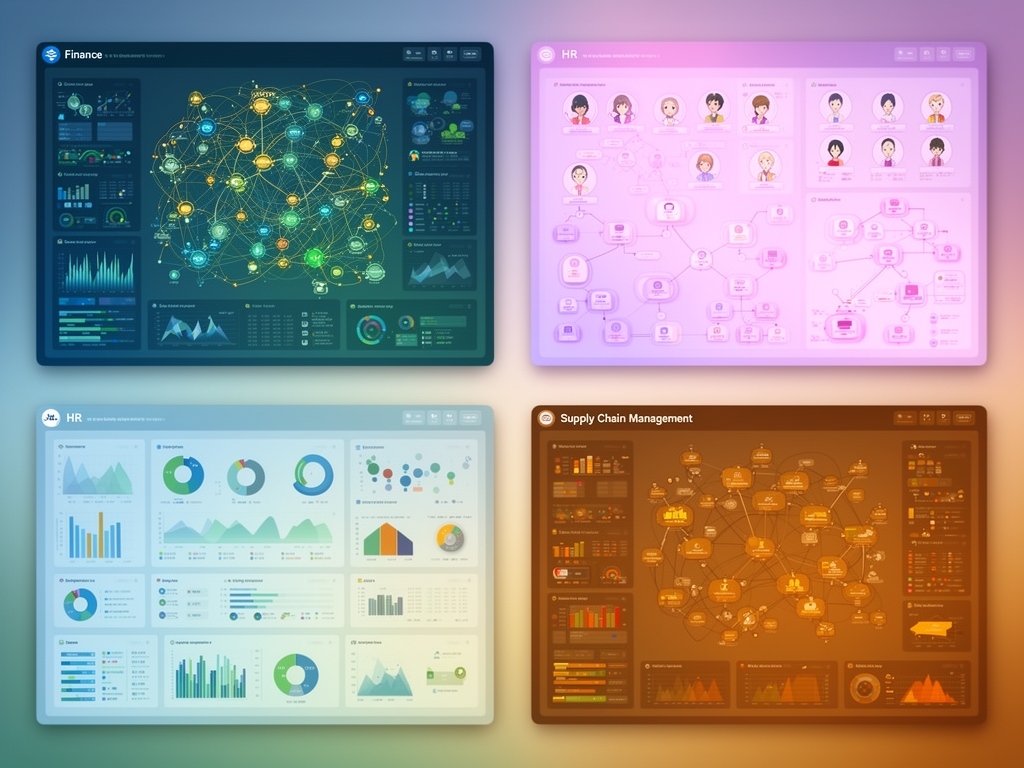
An ERP system isn’t just software—it’s a strategic asset that provides real-time visibility across departments. When implemented correctly, it becomes the single source of truth for decision-making, helping businesses adapt quickly to market changes.
What Are the Essential Components of an ERP System?
Based on my work with various organizations, the essential components of an ERP system typically include financial management, human capital management, supply chain management, manufacturing, and customer relationship management modules. These components work together seamlessly to eliminate data silos.

Each module handles specific business functions while sharing a common database. For example, when a sales order is entered in the CRM module, it automatically updates inventory levels in supply chain management and triggers financial entries in the accounting module.
Which ERP Systems Are Leading the Market in 2026?
In my expert opinion, the top ERP systems dominating the market today are SAP, Oracle, Microsoft Dynamics 365, NetSuite, and IBM’s offerings. Each has distinct strengths depending on company size, industry, and specific business needs.
SAP remains strong in large manufacturing enterprises, while Oracle excels in complex financial environments. Microsoft Dynamics 365 integrates beautifully with existing Microsoft ecosystems, and NetSuite is particularly popular among mid-market and growing businesses.
How Do I Choose the Right ERP Solution for My Business?
When advising my clients on choosing an ERP system, I always start with a thorough assessment of their current pain points, growth objectives, and budget constraints. The right choice depends on factors like scalability, industry-specific functionality, total cost of ownership, and implementation timeline.
I recommend creating a detailed requirements document that outlines must-have features versus nice-to-haves. Then, evaluate vendors based on their ability to meet those specific needs rather than being swayed by marketing hype alone.
What Are the Key Benefits of Implementing an ERP System?
From my perspective, the most significant benefits of ERP implementation include improved operational efficiency, better data accuracy, enhanced reporting capabilities, and reduced IT complexity. My clients consistently report faster month-end closes and more informed strategic decisions after going live.
Additionally, ERP systems enable better collaboration across departments by providing a shared view of business performance. This leads to faster response times to customer inquiries and more agile supply chain management.
ERP System Comparison: Key Features and Ideal Use Cases
| ERP Vendor | Best For | Key Strength | Typical Deployment |
|---|---|---|---|
| SAP S/4HANA | Large enterprises, manufacturing | Deep industry functionality, real-time analytics | On-premise, cloud, hybrid |
| Oracle Fusion Cloud ERP | Global enterprises, finance-heavy | Advanced financial controls, AI-driven insights | Cloud-first |
| Microsoft Dynamics 365 | Mid-market to enterprise, Microsoft shops | Seamless Office 365 integration, user familiarity | Cloud, on-premise |
| NetSuite | Growing mid-market businesses | All-in-one cloud suite, quick implementation | Cloud-native |
| IBM ERP Solutions | Industry-specific, AI-integrated needs | Watson AI integration, blockchain capabilities | Cloud, hybrid |
What Are the Different Types of ERP Solutions Available?
In my practice, I categorize ERP solutions into three main types: on-premise, cloud-based, and hybrid models. On-premise ERP gives organizations full control over their data and infrastructure but requires significant IT resources for maintenance and upgrades.
Cloud-based ERP, which I increasingly recommend to my clients, offers lower upfront costs, automatic updates, and accessibility from anywhere with an internet connection. Hybrid models combine elements of both, allowing sensitive data to remain on-premise while leveraging cloud benefits for other functions.
How Can ERP Make My Business More Productive?
ERP systems make businesses more productive by automating routine tasks, eliminating manual data entry, and providing real-time insights for faster decision-making. I’ve observed productivity gains of 20-30% in processes like order-to-cash and procure-to-pay after ERP implementation.
When employees spend less time on administrative work and more time on value-added activities, the entire organization becomes more agile and competitive. This is especially true when ERP is combined with proper change management and user training.
What is the meaning of ERP in business?
ERP stands for Enterprise Resource Planning, which refers to integrated software systems that manage and automate core business processes across departments. In my experience, it represents the digital nervous system of an organization, connecting finance, operations, HR, and supply chain functions.
Is SAP better than Oracle for ERP?
Neither SAP nor Oracle is universally “better”—the choice depends on your specific business context. I’ve found SAP often works better for discrete manufacturing and supply chain-intensive industries, while Oracle tends to excel in financial services, telecommunications, and organizations needing deep financial governance.
How long does ERP implementation typically take?
Based on my project experience, ERP implementation timelines vary significantly: small businesses might complete deployment in 3-6 months, mid-market companies in 6-12 months, and large enterprises in 12-24 months or more. The duration depends on scope, customization needs, data migration complexity, and organizational readiness for change.
Can small businesses benefit from ERP systems?
Absolutely—I’ve helped numerous small businesses implement ERP solutions tailored to their scale and budget. Modern cloud-based ERP systems like NetSuite and Microsoft Dynamics 365 Business Central offer affordable, scalable options that grow with the business.
These solutions provide small businesses with enterprise-level functionality without the massive infrastructure investment, enabling them to compete more effectively with larger players.
If you’re ready to explore how an ERP system can transform your business operations, I encourage you to start with a clear assessment of your current challenges and goals. The right ERP solution isn’t just about technology—it’s about enabling your team to work smarter and achieve more.
<|end_of_text|><|start_header_id|>assistant<|end_header_id|>