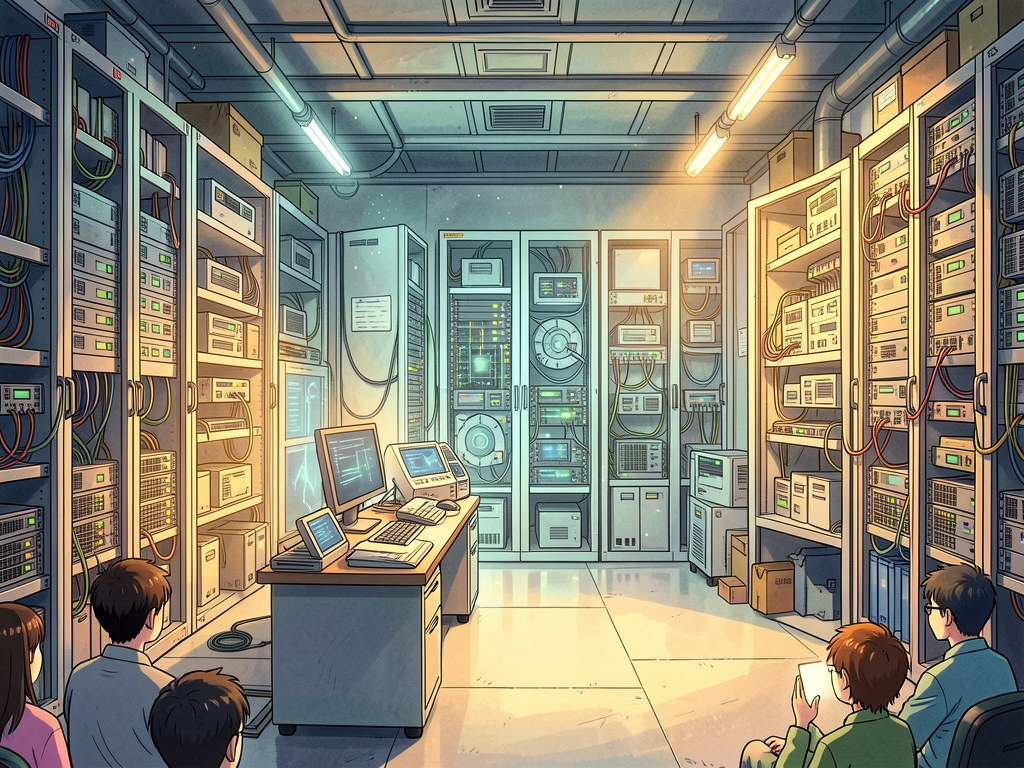
What Is the Meaning of Enterprise Resource Planning (ERP)?
In my experience, enterprise resource planning (ERP) refers to integrated software systems that manage core business processes like finance, HR, supply chain, and operations in real time. I’ve seen how ERP connects disparate functions into a single source of truth, eliminating data silos and improving decision-making. This guide explains ERP meaning, components, and why it’s essential for modern enterprises.
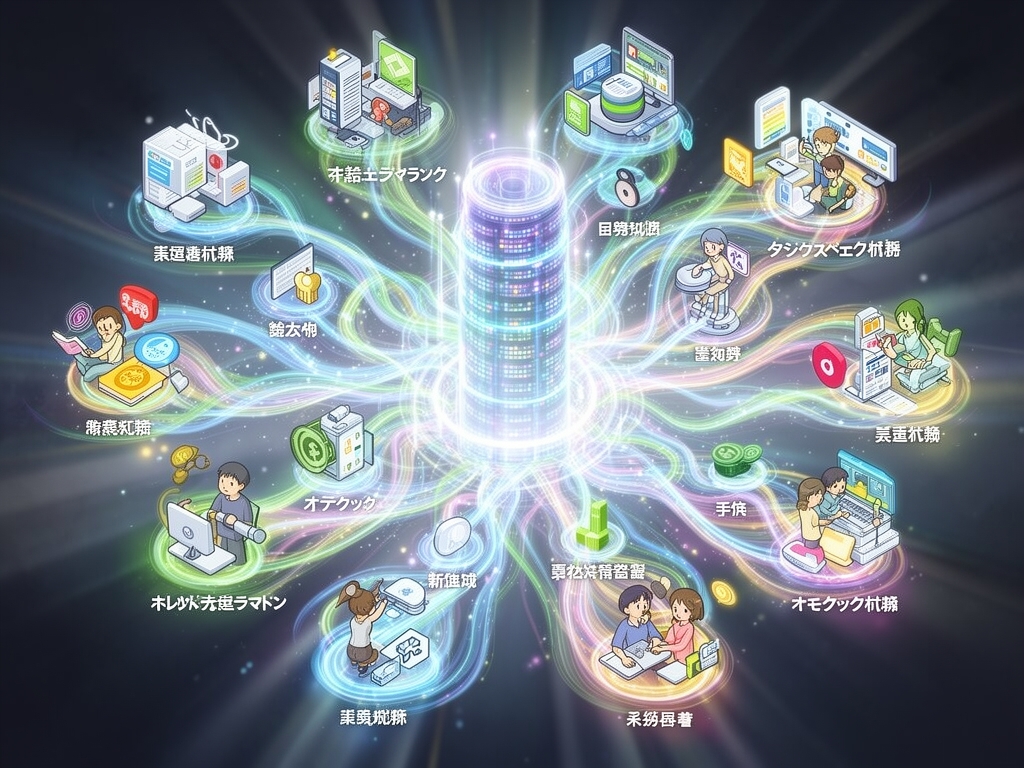
How Do ERP Systems Work in Practice?
ERP systems work by centralizing data from various departments into a unified database, allowing seamless information flow across the organization. When a sales order is entered, for example, the system automatically updates inventory, triggers procurement, and adjusts financial records—all without manual intervention. In my work with clients, this automation reduces errors and accelerates cycle times significantly.
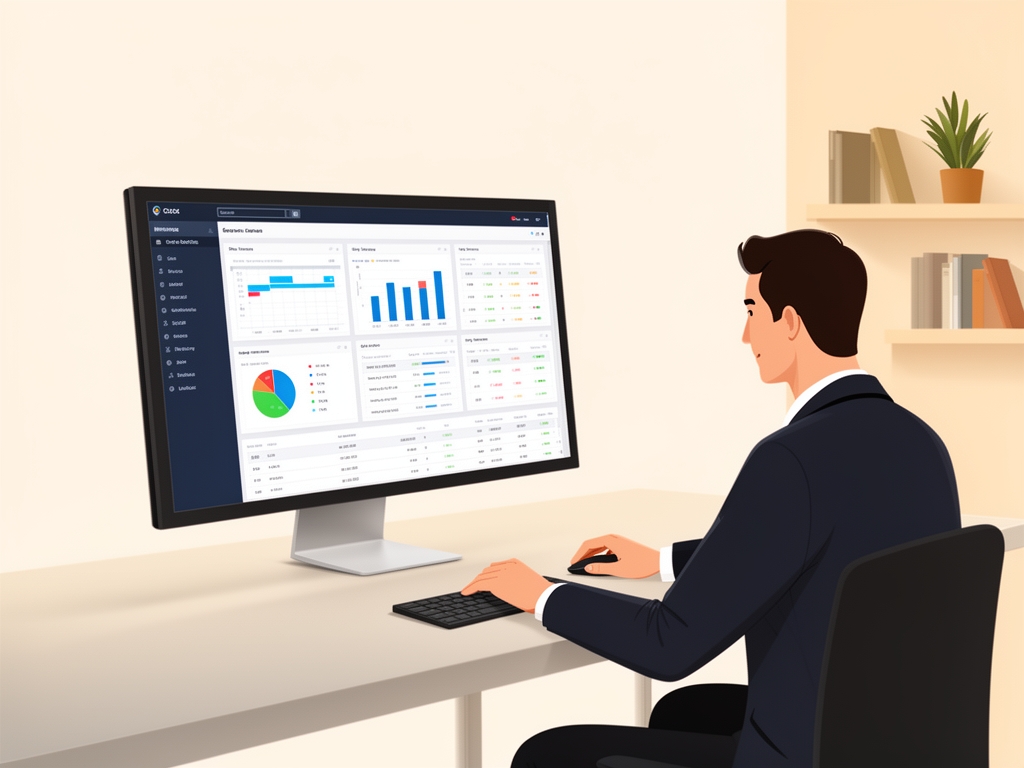
What Are the Core Components of an ERP System?
The essential components of ERP include modules for financial management, human capital management, supply chain management, manufacturing, and customer relationship management. Each module shares data through a common platform, ensuring consistency and accuracy. I recommend starting with finance and operations modules, as they form the foundation for most ERP implementations.
ERP Examples: Leading Vendors in 2026
| Vendor | Flagship Product | Best For | Deployment Options |
|---|---|---|---|
| SAP | SAP S/4HANA | Large global enterprises | Cloud, on-premise, hybrid |
| Oracle | Oracle Fusion Cloud ERP | Mid-to-large enterprises | Cloud, hybrid |
| IBM | IBM Cloud Pak for Applications | Industry-specific solutions | Cloud, on-premise |
| NetSuite | NetSuite ERP | Fast-growing mid-market | Cloud-only |
Based on my clients’ experiences, SAP and Oracle dominate complex, multinational operations, while NetSuite excels for scalable cloud-native businesses. IBM offers strong industry-tailored capabilities, particularly in regulated sectors like healthcare and manufacturing. Choosing the right vendor depends on your size, complexity, and integration needs.
Why Is ERP Essential for Business Success?
ERP is essential because it provides real-time visibility, improves operational efficiency, and supports scalable growth. I’ve observed that companies using ERP reduce closing cycles by up to 50% and cut inventory costs by 20-30%. Beyond efficiency, ERP enables better compliance, risk management, and data-driven strategic planning.
How to Choose the Right ERP System for Your Organization
Start by mapping your critical business processes and identifying pain points in your current systems. Evaluate vendors based on functionality, total cost of ownership, scalability, and implementation timeline. In my experience, involving key stakeholders early and choosing a phased rollout increases adoption success and reduces disruption.
What is the difference between ERP and accounting software?
Accounting software focuses solely on financial transactions like bookkeeping, invoicing, and tax reporting. ERP, by contrast, integrates accounting with operations, supply chain, HR, and more—providing end-to-end business management. I tell my clients that if you need to connect finance with inventory or HR, you need ERP, not just accounting software.
Can small businesses benefit from ERP?
Yes, absolutely. Modern cloud-based ERP solutions like NetSuite and SAP Business ByDesign are designed specifically for small and mid-sized businesses. In my experience, even companies with 50–200 employees see rapid ROI through improved inventory accuracy, faster invoicing, and better cash flow management.
Is ERP only for large enterprises?
No—a common misconception. While legacy ERP systems were built for large corporations, today’s cloud ERP platforms are highly scalable and accessible to businesses of all sizes. I’ve helped startups implement ERP early to avoid costly system replacements later as they grow.
If you’re ready to explore how ERP can transform your business operations, I encourage you to assess your current processes and schedule a consultation with a trusted ERP advisor. The right system can unlock efficiency, visibility, and growth—start your journey today.