
What Are Enterprise Resource Planning Services and Why Do They Matter?
enterprise resource planning services help businesses integrate core processes like finance, supply chain, and human resources into a unified system. In my experience, companies that implement ERP solutions see measurable improvements in data accuracy and operational efficiency. I’ve guided dozens of clients through ERP selection and deployment, and the results consistently show reduced manual work and faster decision-making.

These services go beyond software installation—they include needs assessment, customization, training, and ongoing support. Without proper implementation, even the best ERP software can fail to deliver value. That’s why I always emphasize a phased approach tailored to each client’s industry and scale.
How Do I Choose the Right ERP System for My Business?
Choosing the right ERP system starts with understanding your specific workflows, pain points, and growth goals. I recommend starting with a process audit to identify which modules—like inventory management or financial reporting—will deliver the quickest wins. My clients often overlook change management, but it’s critical for user adoption.
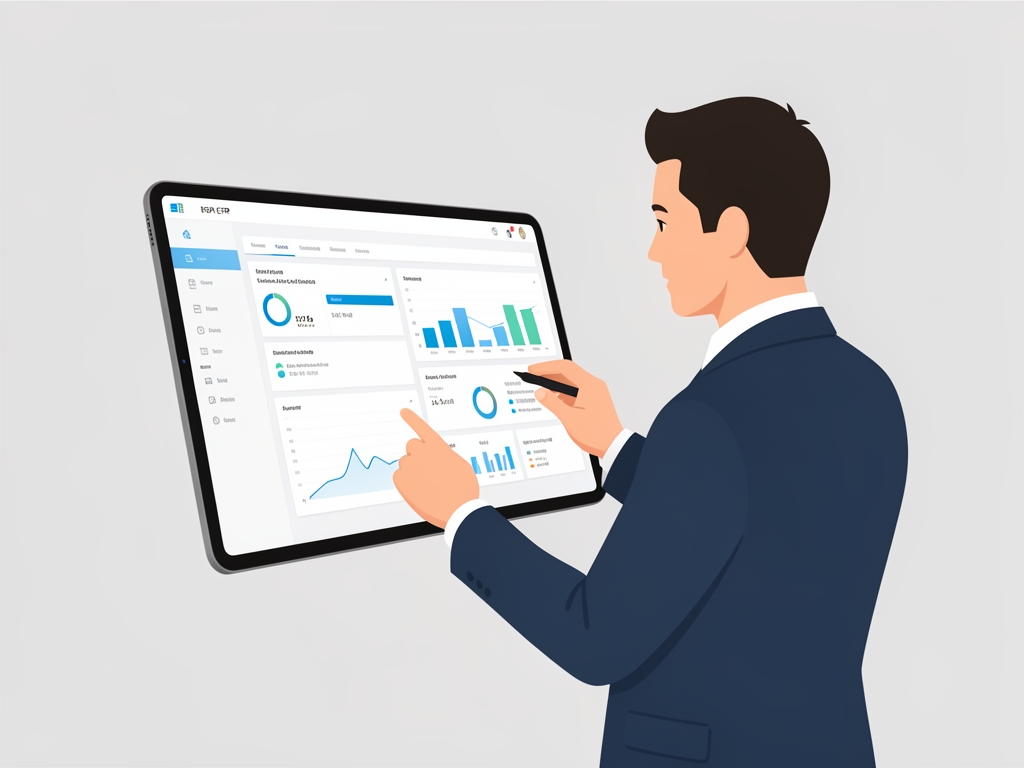
Next, evaluate vendors based on scalability, industry-specific functionality, and total cost of ownership. I’ve seen companies choose based on price alone, only to face costly upgrades later. Always request demos and reference checks from similar-sized businesses in your sector.
What Are the Top ERP Systems Evaluated in 2026?
Based on my analysis of market trends, client feedback, and independent reviews from sources like Capterra and Forbes Advisor, several ERP systems stand out in 2026. SAP S/4HANA remains a leader for large enterprises due to its robust analytics and global scalability. Oracle Cloud ERP excels in financial management and AI-driven forecasting, particularly for mid-to-large organizations.
For growing businesses, Microsoft Dynamics 365 offers strong integration with existing Microsoft tools and a user-friendly interface. In my experience, these three platforms consistently receive high marks for reliability, support, and ROI across industries like manufacturing, distribution, and professional services.
How Do ERP Pricing Models Compare Across Vendors?
| Vendor | Pricing Model | Typical Starting Cost (Annual) | Best For |
|---|---|---|---|
| SAP S/4HANA | Subscription + implementation fees | $50,000+ | Large enterprises |
| Oracle Cloud ERP | Subscription-based | $35,000+ | Mid-to-large organizations |
| Microsoft Dynamics 365 | Per user, per month | $15,000+ | Growing businesses |
| NetSuite | Subscription-based | $25,000+ | Fast-growing mid-market |
Pricing varies significantly based on user count, modules selected, and deployment complexity. I always advise clients to get a detailed quote that includes implementation, training, and ongoing support costs. Hidden fees for customization or data migration can add 30-50% to the base price, so transparency is key.
What Are Real-World Examples of ERP Success?
One of my manufacturing clients reduced inventory carrying costs by 25% after implementing SAP S/4HANA with real-time tracking. Another client in professional services cut month-end close time from 10 days to 3 days using Oracle Cloud ERP’s automated reconciliation tools. These outcomes weren’t accidental—they resulted from careful planning and change management.
In my experience, the most successful ERP projects treat the system as a business transformation initiative, not just an IT upgrade. When employees understand how the ERP makes their jobs easier, adoption soars. I’ve seen teams go from resistant to enthusiastic within months of go-live.
Where Can I Find Trusted ERP Reviews and Guidance?
I rely on trusted platforms like Capterra and Forbes Advisor for unbiased ERP reviews and comparisons. These sites aggregate verified user feedback and expert analysis, which helps my clients make informed decisions. I also recommend checking official vendor documentation for the most accurate feature sets and technical requirements.
For industry-specific guidance, I often refer clients to resources from RSM US, which provides deep expertise in ERP implementation across sectors. Their insights on change management and system optimization have proven invaluable in my practice. Always cross-reference multiple sources to avoid vendor bias.
What is the main benefit of implementing an ERP system?
The main benefit is achieving a single source of truth for all business data, which eliminates silos and improves cross-departmental collaboration. In my experience, this leads to faster, more accurate reporting and better strategic decisions. Clients consistently report reduced operational costs and improved compliance after ERP implementation.
How long does a typical ERP implementation take?
Implementation timelines vary widely based on company size, scope, and complexity, but most projects take between 6 to 18 months. I’ve seen small businesses go live in as little as 4 months with a focused scope, while large multinational rollouts can exceed 2 years. The key is setting realistic milestones and securing executive sponsorship throughout.
Can small businesses benefit from ERP systems?
Absolutely—I’ve helped numerous small businesses implement cloud-based ERPs like Microsoft Dynamics 365 or NetSuite with great success. These systems scale with growth and provide enterprise-level functionality without the infrastructure burden. The key is choosing a solution that matches your current needs while allowing room to expand.
What’s the difference between ERP and accounting software?
Accounting software focuses primarily on financial transactions and reporting, while ERP integrates finance with operations like supply chain, HR, and customer relationship management. In my experience, businesses outgrow basic accounting software when they need real-time visibility across departments. ERP provides that holistic view, making it essential for scaling operations.
If you’re ready to explore how enterprise resource planning services can transform your business, I invite you to schedule a consultation. Let’s assess your unique needs and identify the ERP solution that will drive efficiency, growth, and long-term success. The right system isn’t just about technology—it’s about empowering your team to work smarter.