What Is Enterprise Resource Planning (ERP) and Why Does It Matter?
In my experience, ERP is the backbone of modern business operations, integrating core processes like finance, HR, supply chain, and manufacturing into a single unified system. I’ve seen my clients transform fragmented workflows into streamlined, real-time decision-making engines through proper ERP implementation. This isn’t just software—it’s a strategic investment that eliminates data silos and drives operational agility.
How Does an ERP System Actually Work in Practice?
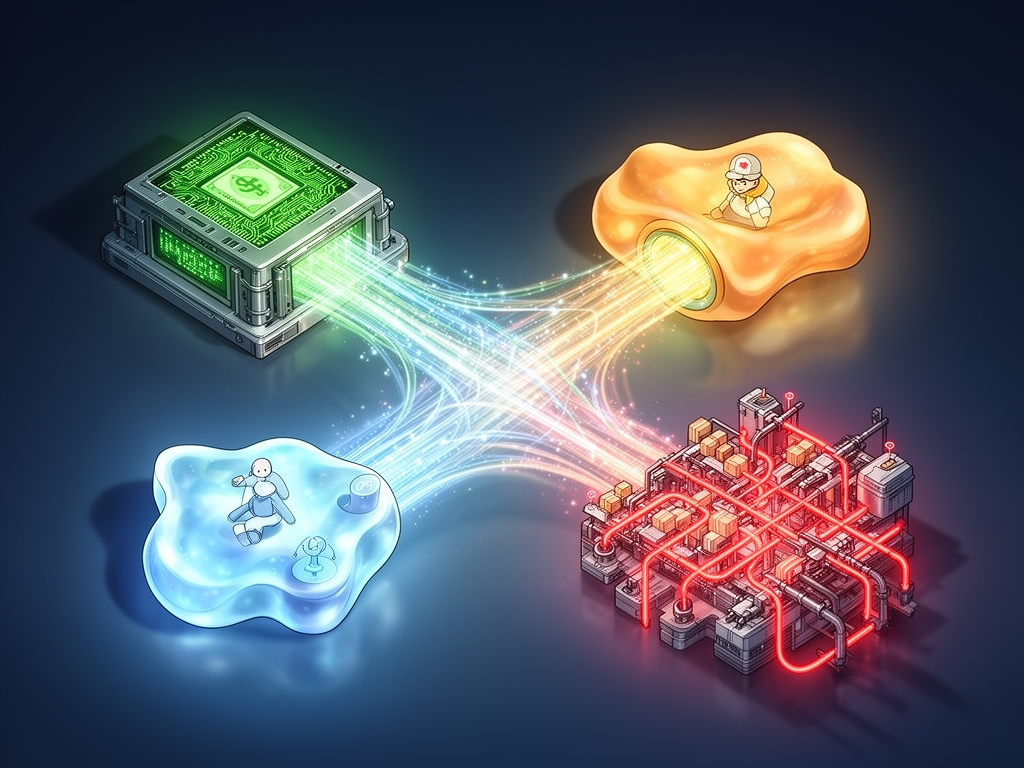
An ERP system functions as a central hub where data flows seamlessly between departments, ensuring everyone works from the same accurate information. When sales enters an order, inventory updates automatically, accounting generates invoices, and production schedules adjust—all without manual re-entry. This interconnectedness is what makes ERP essential for scaling businesses efficiently in today’s competitive landscape.
What Are the Core Components of a Modern ERP System?
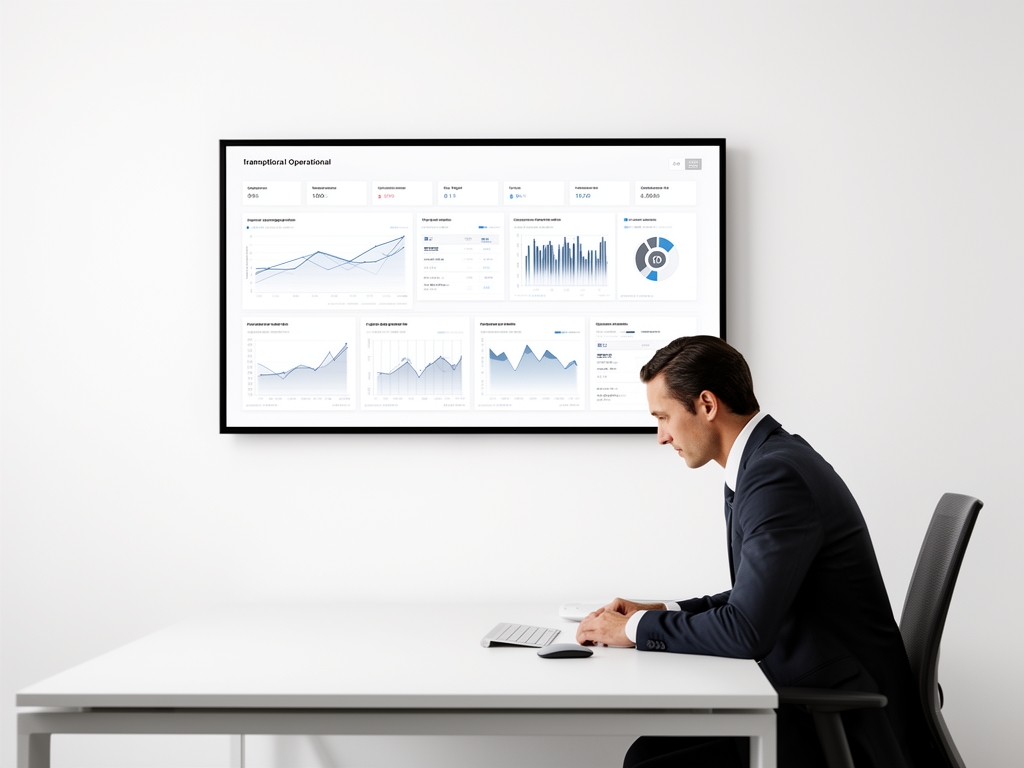
Based on my work with diverse enterprises, every robust ERP includes these fundamental modules: financial management for general ledger and reporting, supply chain management for procurement and logistics, human capital management for workforce operations, and customer relationship management for sales and service. Additional components like business intelligence and manufacturing execution systems often extend functionality based on industry-specific needs.
What Key Benefits Do Businesses Gain from ERP Implementation?
My clients consistently report reduced operational costs through process automation and elimination of redundant tasks. Improved data accuracy enables better forecasting and compliance, while enhanced collaboration breaks down departmental barriers. Most importantly, ERP provides the scalability needed to support growth without proportional increases in administrative overhead.
How Do Leading ERP Vendors Like SAP, Oracle, and IBM Compare?
| Vendor | Best For | Deployment Options | Key Strength |
|---|---|---|---|
| SAP | Large global enterprises | Cloud, On-premise, Hybrid | Deep industry-specific functionality |
| Oracle | Mid-market to enterprise | Cloud, On-premise | Strong financials and database integration |
| IBM | AI-enhanced solutions | Cloud, Hybrid | Watson AI capabilities and consulting expertise |
What Real-World Examples Show ERP’s Impact Across Industries?
In manufacturing, I’ve helped clients reduce inventory carrying costs by 25% through demand-driven MRP modules integrated within their ERP. Retail businesses use ERP for omnichannel inventory visibility, preventing stockouts during peak seasons. Healthcare organizations leverage ERP for patient resource management and regulatory compliance tracking—proving its versatility beyond traditional back-office functions.
Is ERP Only for Large Corporations, or Can Small Businesses Benefit Too?
This is a common misconception I frequently address. While legacy ERP systems were indeed costly and complex, modern cloud-based solutions offer scalable pricing models perfect for growing mid-market companies. I’ve successfully guided startups through phased ERP implementations that begin with core financials and expand as needed—making enterprise-grade technology accessible to businesses of all sizes.
What is the primary purpose of an ERP system?
The primary purpose of an ERP system is to integrate and manage core business processes in real-time through a centralized database, eliminating data silos and providing a single source of truth for organizational decision-making. As I explain to my clients, it transforms disconnected departmental systems into a cohesive operational framework where finance, operations, and human resources work from synchronized data.
How long does a typical ERP implementation take?
Implementation timelines vary significantly based on company size, complexity, and scope—ranging from 3-6 months for focused mid-market deployments to 12-24 months for large multinational rollouts. In my experience, success depends less on arbitrary timelines and more on proper change management, data migration planning, and stakeholder engagement throughout the process.
Can ERP systems be customized for specific industry needs?
Absolutely—modern ERP platforms offer extensive configuration options and industry-specific templates that address unique regulatory requirements and operational workflows. I’ve tailored solutions for healthcare (HIPAA compliance), manufacturing (discrete and process manufacturing), and professional services (project-based billing) by leveraging vertical-specific modules and workflow engines rather than costly custom coding.
What are the ongoing costs associated with ERP ownership?
Beyond initial licensing or subscription fees, ongoing costs include annual maintenance (typically 15-22% of license cost), user training, system updates, and potential integration expenses with third-party applications. Cloud-based ERP models often bundle these into predictable subscription fees, which I recommend for clients seeking to avoid unexpected IT budget fluctuations.
If you’re ready to explore how ERP can transform your business operations, I invite you to assess your current pain points and schedule a consultation with an experienced implementation partner. The right ERP solution doesn’t just automate processes—it builds the foundation for sustainable growth and competitive advantage in 2026 and beyond.
Related Articles
Check out our complete guide on enterprise resource planning for more details.