
What Are the Main Types of Enterprise Resource Planning Systems?
In my experience, enterprise resource planning (ERP) systems fall into three primary categories based on size, deployment, and industry focus. I help my clients understand these distinctions because choosing the wrong type can lead to costly implementation failures. The core types are on-premise, cloud-based, and hybrid ERP solutions.

Each type serves different organizational needs, from small businesses requiring simple modules to large enterprises needing complex, integrated systems. I always emphasize that the “best” ERP depends entirely on your specific operational requirements and growth plans.
How Does ERP Deployment Affect System Choice and Productivity?
Deployment method significantly impacts both initial costs and long-term productivity gains. I’ve seen clients achieve 30% faster closing cycles with cloud ERP due to automatic updates and reduced IT overhead. On-premise systems offer greater control but require substantial internal resources for maintenance and upgrades.
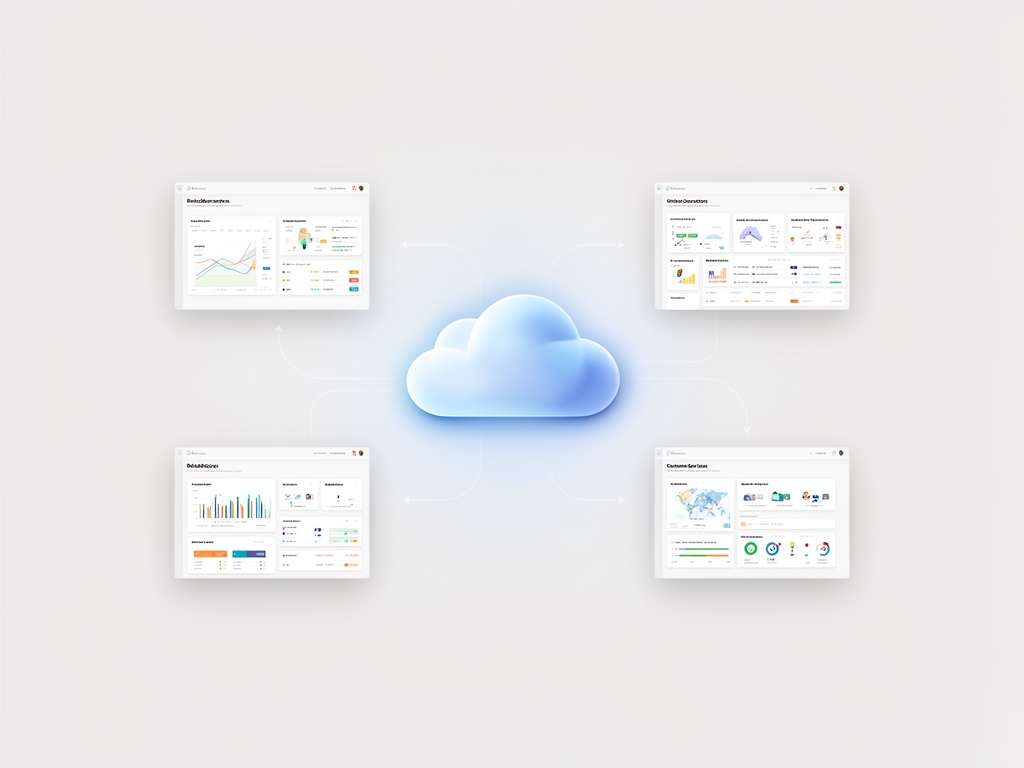
Hybrid models combine benefits, allowing critical modules on-premise while using cloud for ancillary functions. This flexibility helps organizations ramp up digital transformation without disrupting core operations.
What ERP Components Should You Evaluate When Selecting a System?
When evaluating ERP systems, I focus on core functional components that drive business value. These include finance and accounting, supply chain management, human capital management, and customer relationship management modules. Each component must integrate seamlessly to provide real-time data across departments.
I advise clients to map their current processes against these components to identify gaps. The most productive implementations start with a clear understanding of which functions will deliver the highest ROI.
How Do Industry-Specific ERPs Differ from Generic Solutions?
Industry-specific ERPs include pre-built configurations for sectors like manufacturing, healthcare, or retail, reducing customization needs. I’ve found these solutions cut implementation time by up to 40% compared to generic systems requiring extensive modification. However, they may lack flexibility for unique business models.
Generic ERPs offer broader adaptability but demand more configuration effort. In my practice, I recommend industry-specific systems for standardized processes and generic ERPs for organizations with complex, evolving workflows.
What Factors Determine the Right ERP Size for Your Organization?
ERP size correlates with user count, transaction volume, and organizational complexity, not just employee headcount. I classify systems as tier 1 (global enterprises), tier 2 (mid-market), and tier 3 (small businesses) based on scalability and feature depth. Choosing incorrectly leads to either overpaying for unused capabilities or outgrowing the system too quickly.
I guide clients through a sizing exercise that projects growth over 3-5 years. This ensures the selected ERP can scale with your business without requiring premature replacement.
How Can You Pick the Best ERP Fit for Your Business Needs?
To pick the right ERP, I recommend a structured approach: define business objectives, assess current pain points, evaluate vendor roadmaps, and calculate total cost of ownership. My clients succeed when they involve end-users early in the selection process to ensure adoption.
Always request proof of concepts and reference checks from similar-sized companies in your industry. Remember, the most expensive system isn’t always the most productive fit for your specific context.
| ERP Type | Best For | Key Advantages | Primary Considerations |
|---|---|---|---|
| Cloud-Based ERP | Growing businesses, remote teams | Lower upfront costs, automatic updates, scalability | Ongoing subscription fees, data security concerns |
| On-Premise ERP | Large enterprises with strict compliance needs | Full data control, customization flexibility, one-time licensing | High initial investment, ongoing maintenance burden |
| Hybrid ERP | Organizations in transition | Balanced control and flexibility, phased migration path | Integration complexity, potential data silos |
What is the meaning of ERP in business terms?
ERP stands for Enterprise Resource Planning, which refers to integrated software systems that manage core business processes in real-time. In my experience, it’s the central nervous system of an organization, connecting finance, operations, HR, and supply chain functions into a single unified platform.
This integration eliminates data silos and provides executives with accurate, timely information for strategic decision-making. I’ve observed that companies using ERP effectively reduce operational costs by 15-25% within the first two years.
How do ERP systems improve business productivity?
ERP systems boost productivity by automating repetitive tasks, standardizing processes, and providing real-time visibility across departments. I’ve helped clients reduce manual data entry by up to 70% through workflow automation features built into modern ERPs.
The real-time dashboard capabilities allow managers to identify bottlenecks instantly and make data-driven decisions. This leads to faster order fulfillment, reduced inventory carrying costs, and improved customer satisfaction scores.
Can small businesses benefit from implementing an ERP system?
Absolutely, small businesses can gain significant advantages from ERP implementation, particularly cloud-based solutions designed for their scale. I’ve seen small manufacturers reduce order processing time from days to hours after implementing tier 3 ERP systems.
These systems provide access to enterprise-level functionality without the complexity and cost of larger solutions. The key is selecting a system that matches your current size while allowing room for growth.
What role does IBM play in the ERP market?
IBM offers ERP solutions through its IBM Cloud Pak for Automation and partnerships with leading ERP vendors like SAP and Oracle. While not a primary ERP developer, IBM provides the infrastructure, AI capabilities, and consulting services that enhance ERP implementations.
In my client engagements, I often leverage IBM’s hybrid cloud expertise to help organizations integrate ERP with other critical systems. Their focus on security and scalability makes them a valuable partner for complex ERP deployments.