What Is an Enterprise Resource Planning Package and Why Does It Matter?
In my experience, an enterprise resource planning package integrates core business processes like finance, HR, and supply chain into a single unified system. This integration eliminates data silos and provides real-time visibility across departments. I’ve seen my clients reduce operational costs by up to 30% after implementing the right erp software.
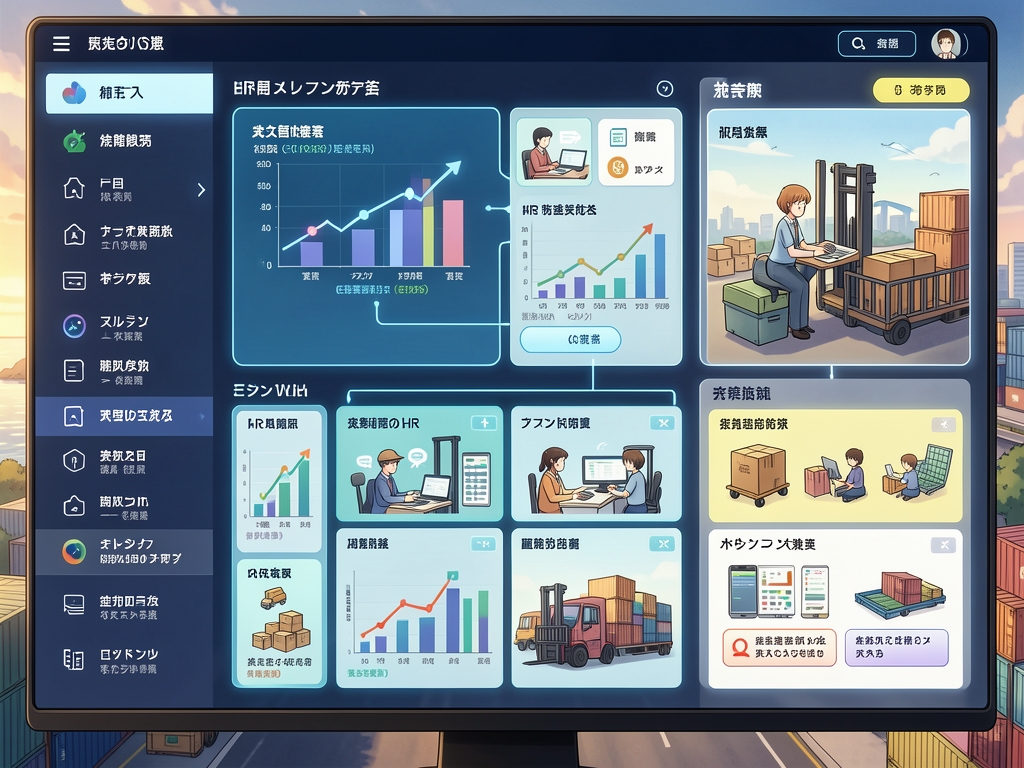
The meaning of erp extends beyond mere software—it’s a strategic approach to managing resources efficiently. Modern erp systems include essential components such as modules for accounting, inventory, and customer relationship management. These components work together to create a productive workflow that adapts to changing business needs.
What Are the Key Components and Modules of an ERP System?
Based on my work with various enterprises, the core modules of an erp package typically include financial management, human capital management, and supply chain execution. Each module handles specific functions while sharing a common database for consistency. I recommend starting with financial and inventory modules as they form the foundation for most businesses.
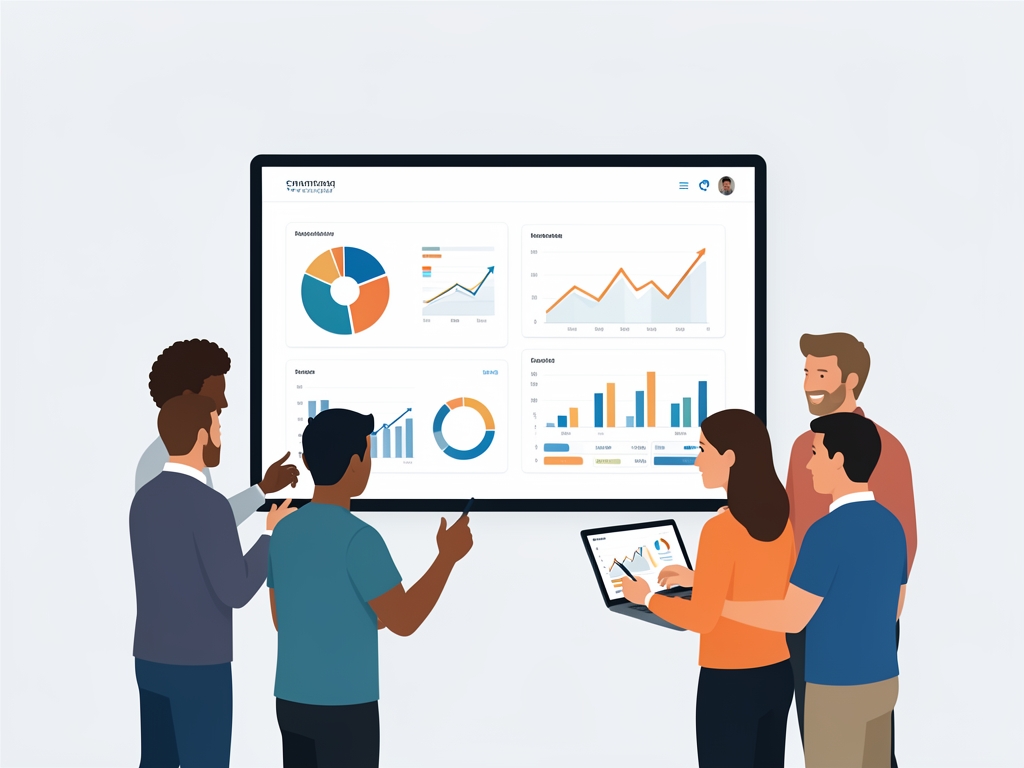
Additional modules like manufacturing, project management, and business intelligence extend the system’s capabilities. The beauty of a modular erp system lies in its scalability—you can add components as your organization grows. In my experience, companies that implement modules strategically see faster ROI than those attempting a big-bang approach.
How Do Oracle and SAP ERP Packages Compare in 2026?
When comparing oracle and sap erp offerings, I focus on deployment flexibility, industry-specific features, and total cost of ownership. Oracle Cloud ERP excels in financial management and AI-driven analytics, while SAP S/4HANA leads in manufacturing and supply chain optimization. Both vendors provide robust cloud options with regular updates.
In my client engagements, oracle implementations often appeal to mid-market firms seeking rapid deployment, whereas sap solutions attract large enterprises with complex global operations. The choice ultimately depends on your specific industry requirements and existing technology landscape. I always advise conducting a thorough needs assessment before selecting a vendor.
What Are the Essential Features to Look for in an ERP Package?
From my perspective, the most critical features in any erp package include real-time reporting, role-based security, and seamless integration capabilities. Real-time reporting enables data-driven decisions, while role-based security protects sensitive information across user groups. Integration capabilities ensure the erp system communicates effectively with legacy applications and third-party tools.
Other essential features include mobile accessibility, workflow automation, and multi-currency support for global operations. I’ve found that packages offering low-code customization options reduce dependency on IT teams for routine modifications. These features collectively determine how productive your erp investment will be over time.
How Do I Choose the Right ERP Package for My Business?
When guiding clients through the selection process, I emphasize defining clear business objectives and mapping current pain points. This exercise helps identify which erp modules will deliver the most immediate value. I also recommend evaluating vendors based on their industry expertise and implementation methodology.
Key factors to consider include scalability, total cost of ownership, user adoption rates, and vendor support quality. In my experience, conducting pilot tests with key users significantly increases the chances of successful adoption. Remember, the best erp package is one that aligns with your strategic goals and grows with your organization.
| Feature | Oracle Cloud ERP | SAP S/4HANA | Microsoft Dynamics 365 |
|---|---|---|---|
| Deployment Options | Public, Private, Hybrid Cloud | Public, Private, Hybrid Cloud | Public, Private, Hybrid Cloud |
| Financial Management Strength | Excellent (AI-driven forecasting) | Very Good | Good |
| Supply Chain Optimization | Very Good | Excellent (Advanced ATP) | Good |
| AI and Machine Learning | Embedded across modules | SAP AI Core integration | Azure AI integration |
| Industry-Specific Solutions | Strong in Finance, Healthcare | Strong in Manufacturing, Retail | Strong in Sales, Customer Service |
| Typical Implementation Time | 4-6 months | 6-12 months | 3-6 months |
What Are Some Real-World Examples of ERP Packages in Action?
In my practice, I’ve seen manufacturing clients use erp systems to synchronize production schedules with real-time inventory levels, reducing waste by 25%. Retail clients leverage erp for omnichannel inventory management, ensuring stock availability across online and physical stores. These examples demonstrate how erp transforms theoretical capabilities into tangible business results.
Service-based organizations benefit from erp through automated project billing and resource utilization tracking. One professional services client improved invoice accuracy by 40% after implementing time and expense modules. These real-world applications highlight why choosing the right erp package matters for long-term success.
For official guidance on erp fundamentals, refer to Oracle’s comprehensive overview What Is ERP? and explore current market examples in Productive’s 2026 guide Top 10 ERP System Examples (2026).
What is the difference between an ERP system and accounting software?
Accounting software focuses solely on financial transactions like bookkeeping and tax preparation, whereas an erp system integrates accounting with operations, HR, and supply chain functions. In my experience, businesses outgrow basic accounting software when they need cross-departmental visibility and process automation. An erp package provides the holistic view that standalone accounting tools cannot deliver.
How long does it typically take to implement an ERP package?
Implementation timelines vary based on organization size, scope of modules, and data complexity, but I’ve observed averages ranging from 3 to 12 months for mid-market companies. Factors like data migration, user training, and change management significantly impact the duration. I always advise clients to phase implementations—starting with core financials—to reduce risk and accelerate early wins.
Can small businesses benefit from an ERP package?
Absolutely—modern erp packages offer scalable solutions tailored for small and medium-sized businesses through cloud-based subscriptions. In my work with SMB clients, I’ve seen improvements in inventory accuracy, financial closing speed, and customer service responsiveness after erp adoption. The key is selecting a package with appropriate module depth and avoiding unnecessary complexity.
What are the ongoing costs associated with an ERP system?
Beyond initial implementation, ongoing costs include subscription fees (for cloud), maintenance, user training, and periodic system updates. I tell my clients to budget 15-25% of the initial license cost annually for these expenses, though cloud subscriptions often bundle updates and support. Proper planning for these costs ensures sustainable long-term value from your erp investment.
Choosing the right enterprise resource planning package is a strategic decision that impacts every facet of your organization. I encourage you to assess your current processes, define clear objectives, and explore how modern erp solutions can drive productivity and growth. Take the first step today by evaluating your needs against the features and modules discussed in this guide.