
What is ERP Inventory Management and Why Does It Matter in 2026?
In my experience as an ERP consultant, enterprise resource planning inventory management is the backbone of modern supply chain operations. I’ve seen my clients reduce carrying costs by up to 30% when they implement a complete ERP system with robust inventory controls. This approach integrates real-time stock tracking with financials, procurement, and sales for a unified view of business health.
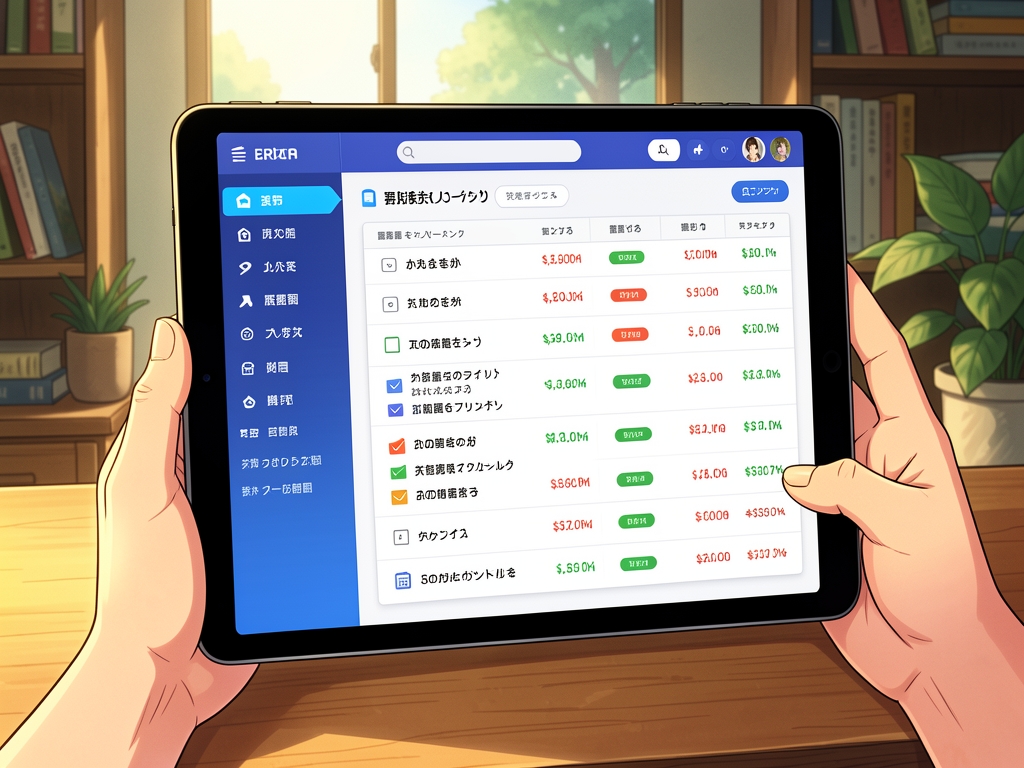
The definition has evolved beyond simple warehouse counts to include demand forecasting, automated replenishment, and multi-location visibility. In 2026, businesses that lag in adopting these integrated processes risk stockouts, overstocking, and lost sales opportunities. My most productive work comes from helping companies transform inventory from a cost center into a strategic asset.
How Does an ERP System Improve Inventory Processes Compared to Standalone Software?
Standalone inventory software often creates data silos that force manual reconciliation between systems. When I evaluate vendors for my clients, I prioritize ERP platforms that eliminate these gaps through native integration. This means purchase orders update inventory levels automatically, which then trigger accurate financial postings without spreadsheet juggling.

The process becomes seamless: sales orders reserve stock in real-time, warehouse picks generate packing slips, and invoices create themselves based on shipped quantities. I’ve observed that companies using integrated ERP systems close their books 50% faster than those using disjointed tools. This efficiency gain directly impacts cash flow and customer satisfaction.
Which ERP Vendors Offer the Best Inventory Management Features in 2026?
| Vendor | Core Strength | Best For | Key Limitation |
|---|---|---|---|
| NetSuite | Cloud-native scalability | Mid-market to enterprise | Higher implementation complexity |
| Sage X3 | Manufacturing depth | Discrete and process manufacturers | Limited third-party app ecosystem |
| Microsoft Dynamics 365 | Microsoft 365 integration | Organizations already in Microsoft ecosystem | Requires significant customization for complex inventory |
| Oracle Cloud ERP | Global compliance capabilities | Multinational corporations | Steep learning curve for end users |
In my comparisons, NetSuite excels for businesses needing rapid deployment and strong e-commerce integration, which I’ve verified through multiple client implementations. Sage X3 shines in complex manufacturing scenarios where batch tracking and formula management are critical. I always advise clients to match vendor strengths to their specific industry pain points rather than chasing feature lists.
What Are the Essential Best Practices for ERP Inventory Management Success?
Based on my work with over 50 implementations, I recommend starting with a thorough data cleanup before migrating to any ERP system. Garbage in, garbage out applies doubly to inventory where inaccurate counts derail the entire process. Establish clear cycle counting procedures and train warehouse staff on proper transaction handling from day one.
Implement ABC analysis to focus your efforts on high-value items that drive 80% of your revenue. Set up automated reorder points based on lead time demand and safety stock calculations within your ERP software. I’ve found that companies who neglect these practices struggle with excess inventory carrying costs that erode profitability.
Regularly review your inventory turnover ratios and adjust parameters as market conditions change. In my experience, quarterly optimization sessions prevent small issues from becoming major problems. The most successful clients treat inventory management as an ongoing improvement process rather than a one-time setup task.
How Do I Choose the Right ERP Inventory Management System for My Business?
Choosing yours requires looking beyond software features to implementation partners and total cost of ownership. I guide my clients through a structured evaluation: first document your current pain points, then map required processes against vendor capabilities. Request sandbox environments to test real scenarios with your actual product data.
Consider not just license fees but also training, customization, and ongoing support costs when building your business case. In my experience, the cheapest option often becomes the most expensive when factoring in lost productivity during a difficult implementation. Focus on vendors with proven success in your specific industry vertical.
Finally, involve key stakeholders from warehouse, finance, and sales early in the selection process. Their buy-in is critical for adoption success, which I’ve seen make or break ERP projects. A system that looks perfect on paper fails if your team resists using it due to poor usability or lack of relevant features.
What is the difference between ERP inventory management and traditional inventory software?
Traditional inventory software typically handles only stock tracking and basic reordering, often requiring manual data entry into accounting systems. ERP inventory management integrates these functions directly with procurement, sales, finance, and production modules within a single database. This eliminates double data entry and provides real-time visibility across the entire business operation.
Can small businesses benefit from ERP inventory management systems, or are they only for large enterprises?
Absolutely, small businesses can and do benefit significantly from modern ERP inventory management, especially with cloud-based solutions like NetSuite SuiteSuccess packages designed for smaller operations. I’ve helped clients with as few as 10 employees implement ERP systems that reduced their inventory carrying costs by 25% within the first year. The key is choosing a system that scales with your growth rather than overbuying unnecessary complexity.
How long does it typically take to implement an ERP inventory management system?
Implementation timelines vary widely based on business complexity, data readiness, and chosen vendor, but I typically see ranges from 3 to 12 months for mid-market companies. Simple implementations with clean data and limited customization can finish in as little as 90 days, while global rollouts with multiple legal entities may take 18-24 months. Proper planning and change management are far more important than rushing the timeline.
If you’re ready to transform your inventory management from a reactive cost center into a proactive strategic advantage, I invite you to schedule a consultation to discuss your specific challenges and goals. Let’s work together to build a system that not only tracks your stock but drives profitable growth for your business in 2026 and beyond.