What Are Enterprise Resource Planning Systems and Why Do They Matter in 2026?
In my experience as an ERP consultant, enterprise resource planning systems are integrated software platforms that unify core business processes like finance, supply chain, and human resources into a single source of truth. I’ve seen how erp solutions eliminate data silos, reduce manual errors, and provide real-time insights that drive strategic decisions. For my clients, implementing a robust erp system has consistently delivered measurable ROI within 18 months.
How Do ERP Systems Work to Connect Business Functions?
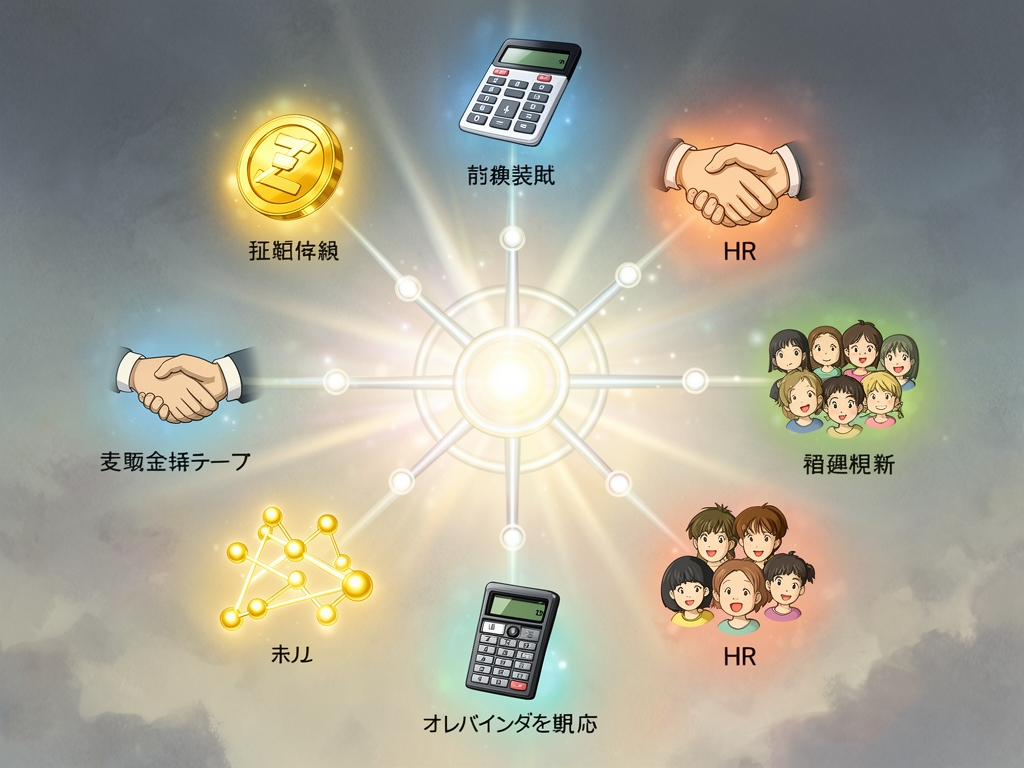
ERP systems work by centralizing data from disparate departments into a shared database, enabling seamless information flow across the organization. When a sales order is entered, the system automatically updates inventory levels, triggers procurement if stock is low, and generates accounting entries—all without manual intervention. This end-to-end connectivity is what makes erp software essential for modern enterprises seeking agility and scalability.
What Are the Core Components of an ERP System?
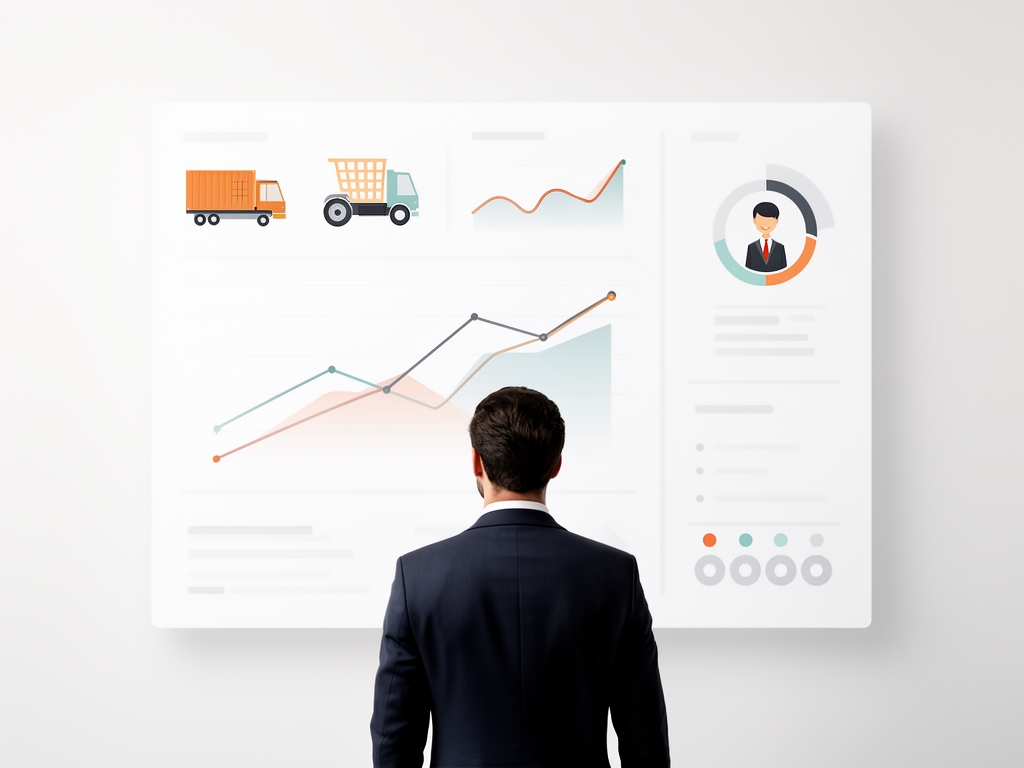
The essential components of an erp system include financial management, supply chain management, manufacturing, human capital management, and customer relationship management modules. Each module handles specific functions but shares a common database, ensuring data consistency and eliminating redundant data entry. In my practice, I prioritize solutions where these components are deeply integrated rather than loosely coupled add-ons.
Which ERP Vendors Dominate the Market in 2026?
| Vendor | Flagship Product | Best For | Deployment Options |
|---|---|---|---|
| SAP | SAP S/4HANA | Large enterprises | Cloud, on-premise, hybrid |
| Oracle | Oracle Fusion Cloud ERP | Global corporations | Cloud |
| Microsoft | Dynamics 365 | Mid-market and enterprise | Cloud, on-premise |
| IBM | IBM Cloud Pak for Automation | AI-driven process optimization | Cloud, hybrid |
| NetSuite | NetSuite ERP | Fast-growing mid-market | Cloud-only |
Based on my work with clients across industries, sap and oracle lead in complex multinational implementations, while microsoft dynamics offers strong integration with existing Microsoft stacks. Netsuite excels for companies needing rapid cloud deployment without heavy customization. IBM’s strength lies in AI-enhanced automation capabilities for process-intensive industries.
What Are the Key Benefits of Implementing an ERP System?
- Improved operational efficiency through automated workflows
- Enhanced data accuracy and real-time reporting capabilities
- Better regulatory compliance and audit readiness
- Scalability to support business growth and market expansion
- Reduced IT costs via consolidated infrastructure
In my experience, the most transformative benefit I observe is the shift from reactive firefighting to proactive management enabled by predictive analytics within modern erp platforms. Clients consistently report 20-30% reductions in operational costs and 15-25% improvements in order fulfillment speed after full erp adoption.
How to Choose the Right ERP Solution for Your Business?
Selecting the right erp solution requires assessing your business size, industry-specific needs, integration requirements, and total cost of ownership. I recommend starting with a clear understanding of your pain points and mapping them to erp modules that address those specific challenges. Consider cloud-based options for faster deployment and lower upfront investment, especially if you lack extensive IT resources.
Where Can I Find Reliable Information About ERP Systems?
For authoritative technical details, I refer clients to the Enterprise resource planning – Wikipedia page for foundational concepts and the International Federation for Information Processing (IFIP) for industry standards and research. These resources complement practical implementation guides from major vendors.
What is the meaning of ERP in business?
ERP stands for Enterprise Resource Planning, which refers to integrated software systems that manage and automate core business processes across departments. In my consulting work, I explain to clients that erp meaning extends beyond software—it represents a strategic approach to aligning people, processes, and technology for organizational efficiency.
What are the main components of an ERP system?
The core components include financial management, supply chain, manufacturing, human resources, and customer relationship management modules, all sharing a centralized database. From my experience, the integration depth between these components determines how effectively the erp system eliminates data silos and provides real-time visibility.
Can small businesses benefit from ERP systems?
Absolutely—modern cloud-based erp solutions like Netsuite and Microsoft Dynamics 365 Business Central are specifically designed for small and mid-sized businesses. I’ve helped numerous small clients implement scalable erp systems that grow with them, providing enterprise-grade functionality without the complexity or cost of traditional implementations.
How long does ERP implementation typically take?
Implementation timelines vary based on scope, but I typically see 3-6 months for small businesses using cloud erp and 12-24 months for large enterprises with complex, customized on-premise solutions. Success depends heavily on change management, user training, and clear executive sponsorship throughout the process.
What is the difference between ERP and accounting software?
While accounting software focuses solely on financial transactions, erp systems integrate finance with operations like inventory, procurement, and HR in a unified platform. In my experience, businesses outgrow basic accounting software when they need cross-functional visibility and automated workflows that erp provides.
If you’re ready to explore how an erp system can transform your business operations, I invite you to schedule a consultation where we can assess your specific needs and identify the optimal solution for your goals.