
What Is an Enterprise Resource Planning Software Solution and Why Does It Matter?
In my experience, an enterprise resource planning software solution integrates core business processes like finance, supply chain, and human resources into a unified system. I’ve seen my clients achieve real-time data visibility and reduced operational silos after implementing such systems. This holistic approach drives efficiency and informed decision-making across the organization.
How Do ERP Systems Transform Business Operations in 2026?
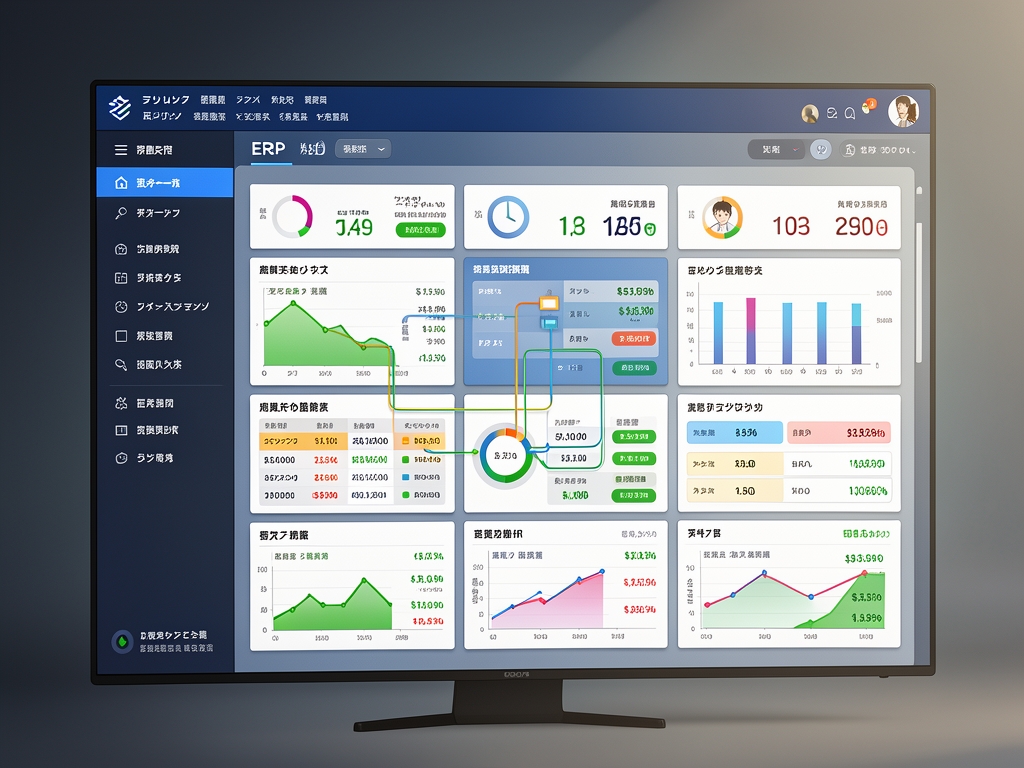
Modern ERP systems leverage cloud technology to provide scalable, accessible platforms that adapt to evolving business needs. In my work, clients using cloud-based ERP report faster deployment times and lower IT maintenance overhead compared to legacy on-premise setups. The shift to cloud has made ERP more accessible for mid-sized enterprises seeking agility.
Which Industries Benefit Most from ERP Solutions?
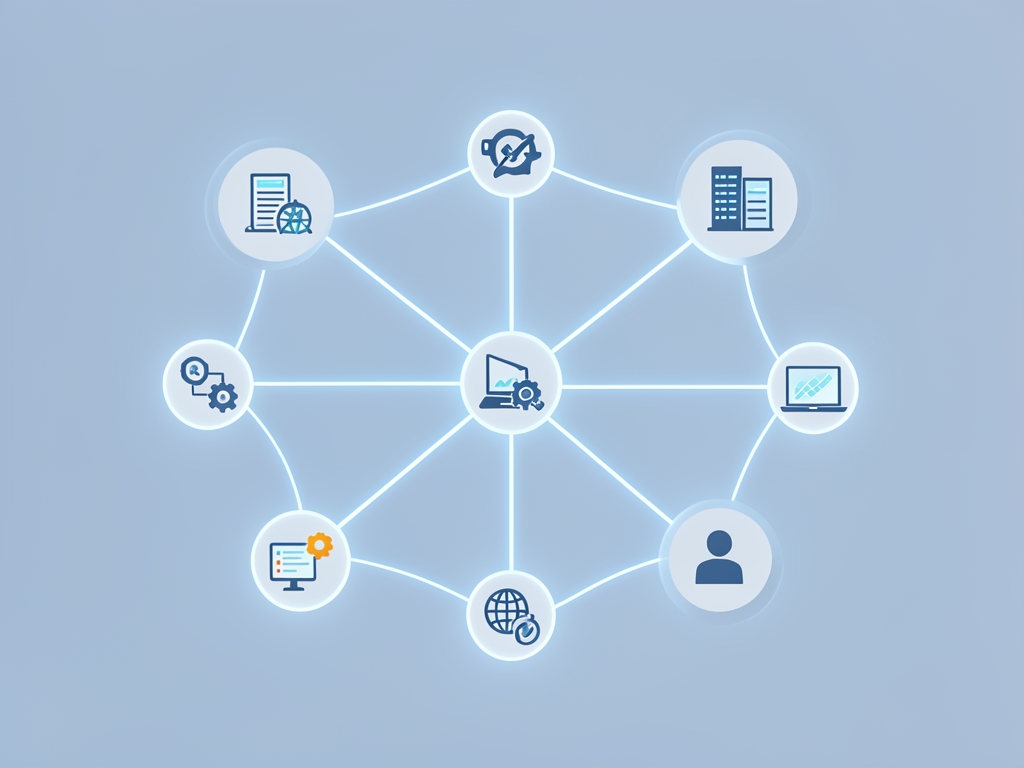
From manufacturing to healthcare, ERP solutions are tailored to address industry-specific challenges such as regulatory compliance and inventory optimization. I’ve evaluated implementations in sectors like retail and professional services where ERP improved order accuracy and project profitability. The versatility of ERP makes it a strategic investment across diverse business landscapes.
How Do SAP and Oracle ERP Solutions Compare in the Market?
SAP and Oracle remain dominant players, each offering robust suites with distinct strengths in functionality and ecosystem support. In my reviews, SAP often excels in deep manufacturing capabilities while Oracle shines in financial management and analytics. The choice between them frequently depends on existing IT infrastructure and specific business priorities.
What Role Do Experts and Platforms Like Capterra Play in ERP Evaluation?
I rely on expert analyses and user feedback from platforms like Capterra to validate ERP performance and usability claims during selection processes. These resources provide unbiased insights into implementation complexity, customer support, and long-term value. Consulting multiple expert sources helps mitigate risk when investing in a major system overhaul.
Key Features to Consider When Evaluating ERP Systems
| Feature | Description | Why It Matters |
|---|---|---|
| Cloud Deployment | Hosted remotely with automatic updates and scalability | Reduces infrastructure costs and enables remote access |
| Industry-Specific Modules | Pre-built functionality for sectors like manufacturing or healthcare | Accelerates implementation and addresses niche requirements |
| Integration Capabilities | Ability to connect with CRM, e-commerce, and third-party apps | Ensures data consistency and streamlines workflows |
| Real-Time Analytics | Live dashboards and reporting for operational insights | Supports agile decision-making and performance tracking |
Why Should Businesses Prioritize ERP Implementation in 2026?
Based on my evaluations, delaying ERP adoption risks falling behind competitors who leverage integrated systems for cost savings and innovation. I’ve observed that businesses with modern ERP achieve faster financial closing cycles and improved supply chain resilience. The overall return on investment often justifies the initial effort through sustained operational excellence.
What is the primary purpose of an ERP system?
The primary purpose of an ERP system is to integrate and streamline core business processes—such as accounting, procurement, and inventory management—into a single unified platform. This eliminates data silos, ensures consistency across departments, and provides a single source of truth for organizational data. In my experience, this integration is foundational for scalable growth and operational transparency.
How long does a typical ERP implementation take?
Implementation timelines vary based on business size, complexity, and chosen deployment model, but most mid-sized companies complete the process in 6 to 12 months. I’ve seen cloud-based ERP implementations accelerate this timeline due to reduced hardware setup and pre-configured modules. Proper planning and change management are critical to staying on schedule and within budget.
Can small businesses benefit from ERP solutions?
Yes, small businesses can significantly benefit from ERP solutions, especially through scalable cloud offerings designed for growing organizations. I’ve advised startups and SMEs that adopted lightweight ERP systems to improve invoicing accuracy, track expenses in real time, and prepare for future expansion. The key is selecting a solution that matches current needs while allowing room to grow.
If you’re ready to explore how an ERP system can transform your business operations, I encourage you to assess your current processes and consult with ERP experts to find the right fit. Taking the first step toward integrated management can unlock efficiency, clarity, and long-term competitiveness in today’s dynamic market.