What Is an Enterprise Resource Planning System?
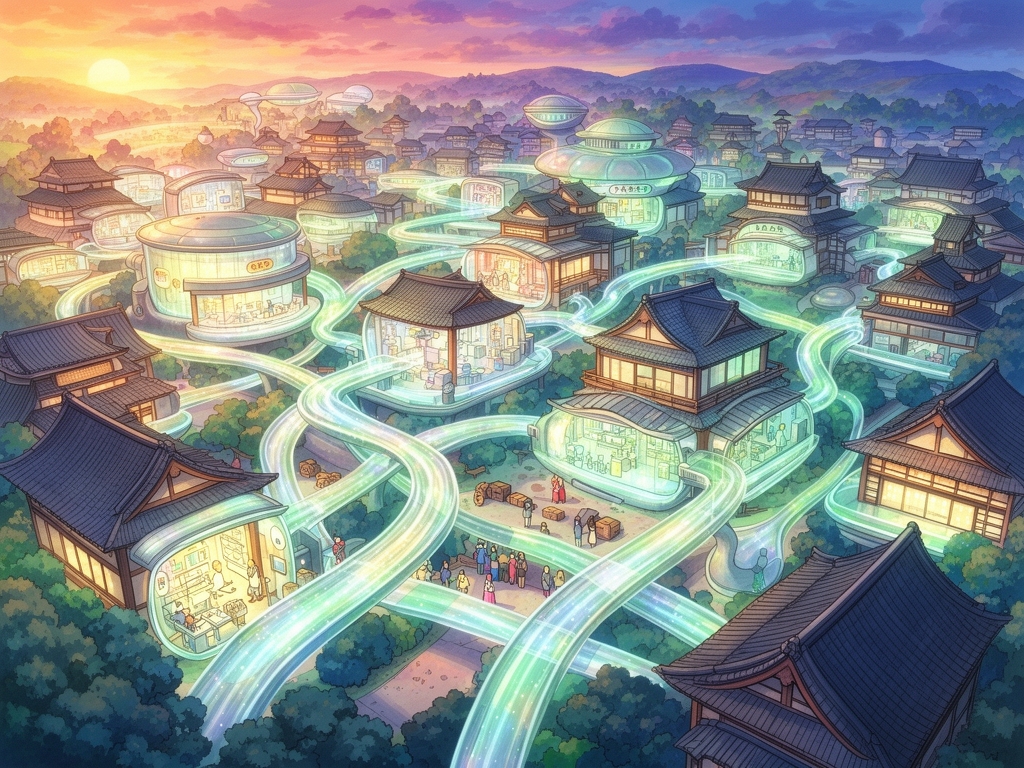
In my experience, an enterprise resource planning (ERP) system is a unified software platform that integrates core business processes like finance, HR, supply chain, and manufacturing into a single source of truth. I’ve seen how ERP solutions eliminate data silos, allowing departments to share real-time information seamlessly. This integration is essential for making informed decisions quickly in today’s fast-paced business environment.
How Does an ERP System Work?
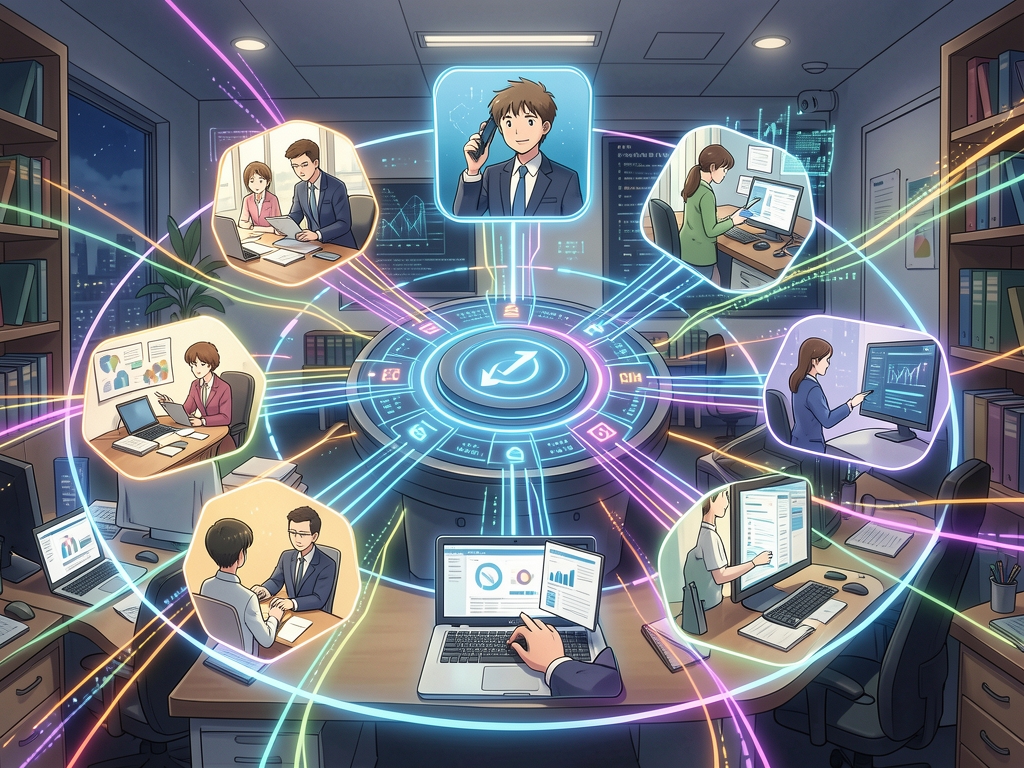
An ERP system works by connecting various business functions through a centralized database, ensuring data consistency across the organization. When a sales order is entered, the system automatically updates inventory levels, triggers procurement if needed, and records the financial impact. This end-to-end visibility is what makes ERP systems so powerful for operational efficiency.
What Are the Key Components of an ERP System?
The core components of an ERP system typically include modules for financial management, human capital management, supply chain management, manufacturing, and customer relationship management. Each module handles specific business functions while sharing data through the central database. In my work with clients, I’ve found that the most effective ERP implementations customize these modules to fit unique industry requirements.
What Are the Benefits of Implementing an ERP System?
Based on my experience guiding clients through ERP implementations, the primary benefits include improved data accuracy, reduced operational costs, enhanced collaboration, and better regulatory compliance. ERP systems also provide real-time analytics that help businesses identify trends and make proactive decisions. The return on investment often comes from increased productivity and streamlined processes across the entire organization.
ERP Systems Comparison: SAP, Oracle, Microsoft Dynamics
| Feature | SAP S/4HANA | Oracle Cloud ERP | Microsoft Dynamics 365 |
|---|---|---|---|
| Deployment Options | Cloud, On-premise, Hybrid | Cloud-first | Cloud, On-premise |
| Industry Focus | Manufacturing, Retail, Utilities | Finance, Healthcare, Public Sector | Retail, Professional Services, Manufacturing |
| Integration Strength | Deep SAP ecosystem | Oracle Fusion Applications | Microsoft 365, Power Platform |
| Typical Implementation Time | 12-24 months | 9-18 months | 6-15 months |
Real-World ERP Examples in Action
I’ve worked with manufacturing clients who used SAP to reduce inventory carrying costs by 25% through better demand forecasting and automated replenishment. A retail client implemented Oracle Cloud ERP to unify their online and in-store sales data, resulting in a 15% increase in cross-selling opportunities. These examples demonstrate how ERP systems deliver tangible business value when properly implemented.
Why Choose an ERP System Over Disparate Software?
Using disparate software solutions often leads to data inconsistencies, manual reconciliation efforts, and limited visibility into business performance. In contrast, an ERP system provides a single, integrated platform that eliminates these inefficiencies. I consistently advise my clients that the long-term cost savings and operational benefits of an ERP system far outweigh the initial investment.
Is an ERP System Right for Your Business?
Determining if an ERP system is right for your business depends on factors like company size, growth trajectory, and process complexity. I recommend starting with a thorough assessment of your current pain points and future goals. For growing businesses struggling with manual processes or data fragmentation, an ERP system is often the essential next step toward scalability.
What is the meaning of ERP in business?
ERP stands for Enterprise Resource Planning, which refers to the integrated management of core business processes through a unified software system. In my experience, the meaning of ERP extends beyond software—it represents a strategic approach to aligning people, processes, and technology for optimal business performance.
How do ERP systems connect different business functions?
ERP systems connect different business functions through a centralized database that ensures data consistency and real-time updates across all modules. When one department updates information, such as a sales order, the changes are immediately reflected in related areas like inventory, finance, and production planning. This seamless connectivity is what enables end-to-end business process automation.
What are the essential components of a complete ERP solution?
The essential components of a complete ERP solution include financial management, supply chain management, human capital management, manufacturing, and customer relationship management modules. These components work together through a shared database to provide a holistic view of business operations. In my practice, I emphasize that a truly complete ERP solution also includes robust reporting, analytics, and integration capabilities.
Can small businesses benefit from ERP systems?
Yes, small businesses can absolutely benefit from ERP systems, particularly cloud-based solutions that offer scalability and lower upfront costs. I’ve helped numerous small businesses implement ERP systems that grow with them, providing the same core benefits of integration and efficiency as larger enterprises. The key is choosing a solution that matches your current needs while allowing for future expansion.
How long does it typically take to implement an ERP system?
ERP implementation timelines vary based on system complexity, company size, and customization requirements, but typically range from 6 to 24 months. In my experience, cloud-based ERP systems like Microsoft Dynamics 365 or Oracle Cloud ERP often have shorter implementation times compared to traditional on-premise solutions. Proper planning, change management, and phased rollouts are critical for staying on timeline and budget.
If you’re ready to explore how an ERP system can transform your business operations, I invite you to schedule a consultation to discuss your specific needs and goals. Together, we can evaluate whether an ERP solution is the right strategic investment for your organization’s future growth and success.