
What is enterprise resource planning ERP and why does it matter in 2026?
In my experience guiding digital transformations, enterprise resource planning (ERP) remains the backbone of operational efficiency for mid-sized and large organizations. I’ve seen how a well-implemented ERP system integrates core business processes—finance, supply chain, human resources, and customer relationship management—into a unified platform. This integration eliminates data silos, reduces manual errors, and provides real-time visibility across departments.

The meaning of ERP has evolved beyond basic accounting software to encompass intelligent automation, AI-driven analytics, and cloud-native scalability. My clients consistently report that understanding ERP’s full potential is essential for staying competitive in today’s fast-paced market. Whether you’re evaluating SAP, Oracle, or newer platforms like NetSuite, the right ERP solution adapts to your unique workflows.
How do ERP components work together to streamline business operations?
Based on my implementation projects, ERP systems consist of interconnected modules that share a common database. Each component—whether it’s financial management, inventory control, or procurement—feeds real-time data into the central system. This architecture ensures that when sales teams update customer orders, finance sees immediate revenue impact, and warehouse staff adjusts stock levels automatically.
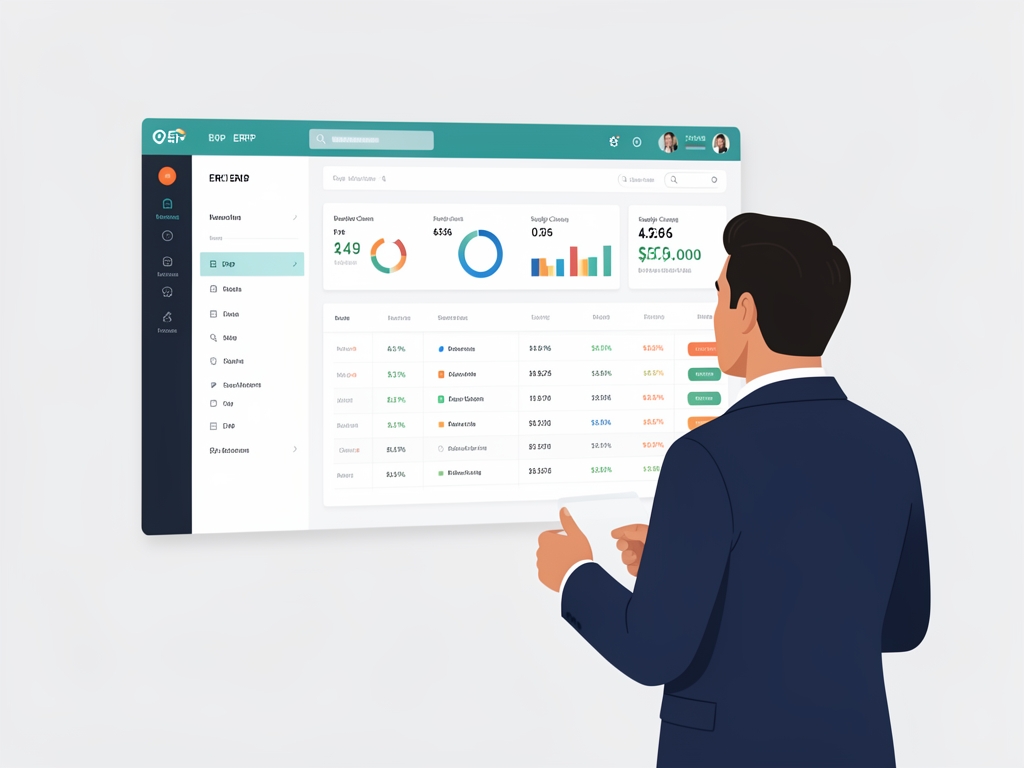
I’ve found that the most successful ERP deployments prioritize user adoption through intuitive interfaces and role-based dashboards. For example, when a manufacturing client implemented SAP S/4HANA, their production planning cycle reduced by 30% because shop floor supervisors could access live material availability data. The key is configuring components to mirror your actual business processes rather than forcing workflows to fit the software.
What are the essential ERP examples and platforms dominating the market in 2026?
In my consulting practice, I regularly work with three enterprise resource planning platforms that demonstrate different strengths. SAP remains the gold standard for complex global enterprises requiring deep industry-specific functionality, particularly in manufacturing and retail. Oracle Cloud ERP excels for organizations already invested in Oracle databases, offering seamless integration and advanced AI capabilities for financial forecasting.
NetSuite, now part of Oracle, provides the most agile cloud-native experience for mid-market companies seeking rapid deployment and scalability. I’ve also observed growing interest in Salesforce’s Industry Cloud solutions for businesses prioritizing CRM-centric operations, though they typically require complementary ERP modules for full back-office functionality. Each platform serves distinct needs, so matching your requirements to the vendor’s strengths is crucial.
How does ERP compare to related business systems like CRM and SCM?
| System Type | Primary Focus | Core Modules | Best For |
|---|---|---|---|
| ERP | End-to-end business process integration | Finance, HR, Supply Chain, Manufacturing, Procurement | Organizations needing unified operational data |
| CRM | Customer relationship management | Sales automation, Marketing, Service, Analytics | Businesses focused on customer acquisition and retention |
| SCM | Supply chain optimization | Demand planning, Logistics, Inventory, Supplier Management | Companies with complex global supply networks |
From my perspective, the lines between these systems continue to blur as vendors offer integrated suites. I often recommend starting with ERP as the foundation, then adding specialized CRM or SCM modules based on strategic priorities. For instance, a distribution client I advised used NetSuite as their core ERP while integrating Salesforce Sales Cloud for enhanced sales force automation—creating a best-of-breed approach without data fragmentation.
What should you consider when choosing an ERP implementation partner?
Through numerous ERP projects, I’ve learned that technology selection is only half the battle—implementation success hinges on partner expertise. I always advise clients to evaluate potential partners based on their industry-specific experience, change management capabilities, and post-go-live support model. The cheapest quote rarely delivers the best long-term value when considering total cost of ownership.
In my experience, the most successful implementations involve treating ERP as a business transformation initiative rather than just an IT project. This means securing executive sponsorship, investing in comprehensive user training, and establishing clear success metrics before implementation begins. I’ve seen too many projects fail because organizations underestimated the cultural change required to adopt new workflows.
Where can you find reliable resources to deepen your understanding of ERP fundamentals?
For authoritative technical details, I frequently reference the IBM ERP overview which provides a comprehensive breakdown of enterprise resource planning architecture and benefits. The IBM resource offers valuable insights into deployment models, key considerations, and real-world case studies that help frame ERP discussions.
Additionally, the Techtarget ERP guide serves as an excellent practical reference for understanding implementation methodologies and vendor evaluation criteria. These external sources complement hands-on experience by providing standardized frameworks and terminology that facilitate clearer communication between business stakeholders and technical teams.
What is the primary purpose of an ERP system?
The primary purpose of an ERP system is to integrate and streamline core business processes across departments into a single unified platform. In my experience, this eliminates data silos, reduces manual data entry errors, and provides real-time operational visibility that enables faster, more informed decision-making. Ultimately, ERP helps organizations improve efficiency, reduce costs, and enhance agility in responding to market changes.
How long does a typical ERP implementation take?
Based on my client projects, ERP implementation timelines vary significantly depending on organization size, complexity, and scope. Small to mid-sized businesses typically complete implementations in 6-12 months, while large enterprises with multiple modules and global operations may require 12-24 months or more. I’ve found that phased rollouts and thorough preparation consistently lead to smoother transitions and better user adoption rates.
Can small businesses benefit from ERP systems?
Absolutely—I’ve worked with numerous small businesses that achieved transformative results from ERP adoption. Modern cloud-based ERP solutions like NetSuite and SAP Business One offer scalable, affordable options specifically designed for growing companies. These systems provide small businesses with enterprise-grade functionality in finance, inventory, and reporting without requiring massive upfront investments in infrastructure.
What are the biggest risks associated with ERP implementation?
From my experience, the most common ERP implementation risks include inadequate change management, insufficient user training, and poor data migration planning. I’ve seen projects fail when organizations underestimated the cultural impact of new workflows or neglected to cleanse legacy data before migration. Successful implementations prioritize stakeholder engagement, comprehensive testing, and realistic timelines to mitigate these risks effectively.
If you’re considering an ERP implementation for your organization, I encourage you to start with a clear assessment of your current pain points and future growth goals. The right ERP system can be a powerful catalyst for operational excellence, but success depends on choosing the appropriate solution and partner for your specific needs. Take the time to evaluate your options carefully—investing in proper planning upfront will save significant time and resources down the road.
<|end_text|>